Behavioral Airflow

Challenge

Challenge

  • Observed a large discrepancy between the simulated and measured drag coefficients
  • Needed to understand how air flowed over and around the vehicle
  • Required a practical testing method to pinpoint aerodynamic inefficiencies
Approach

Approach

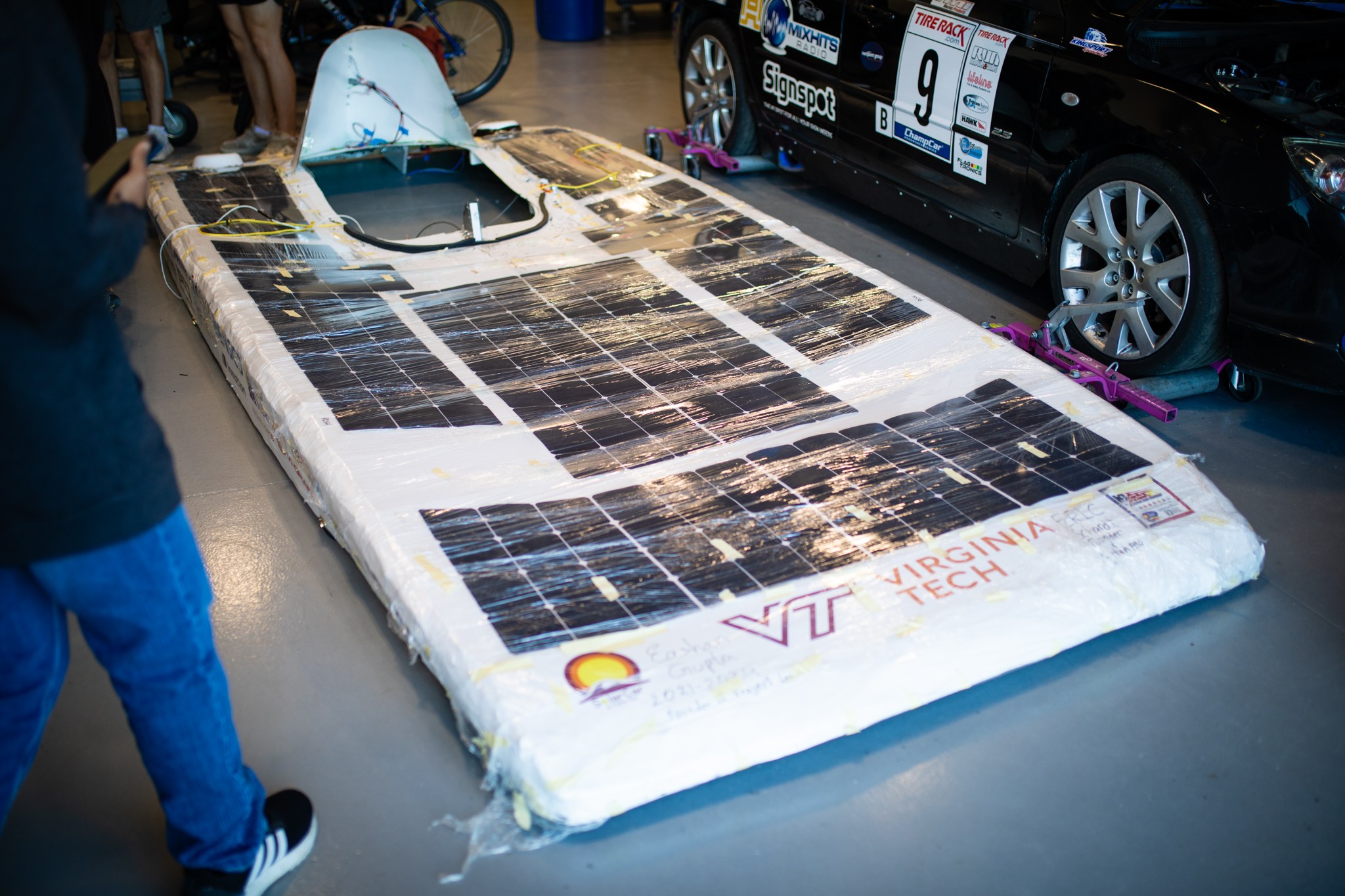
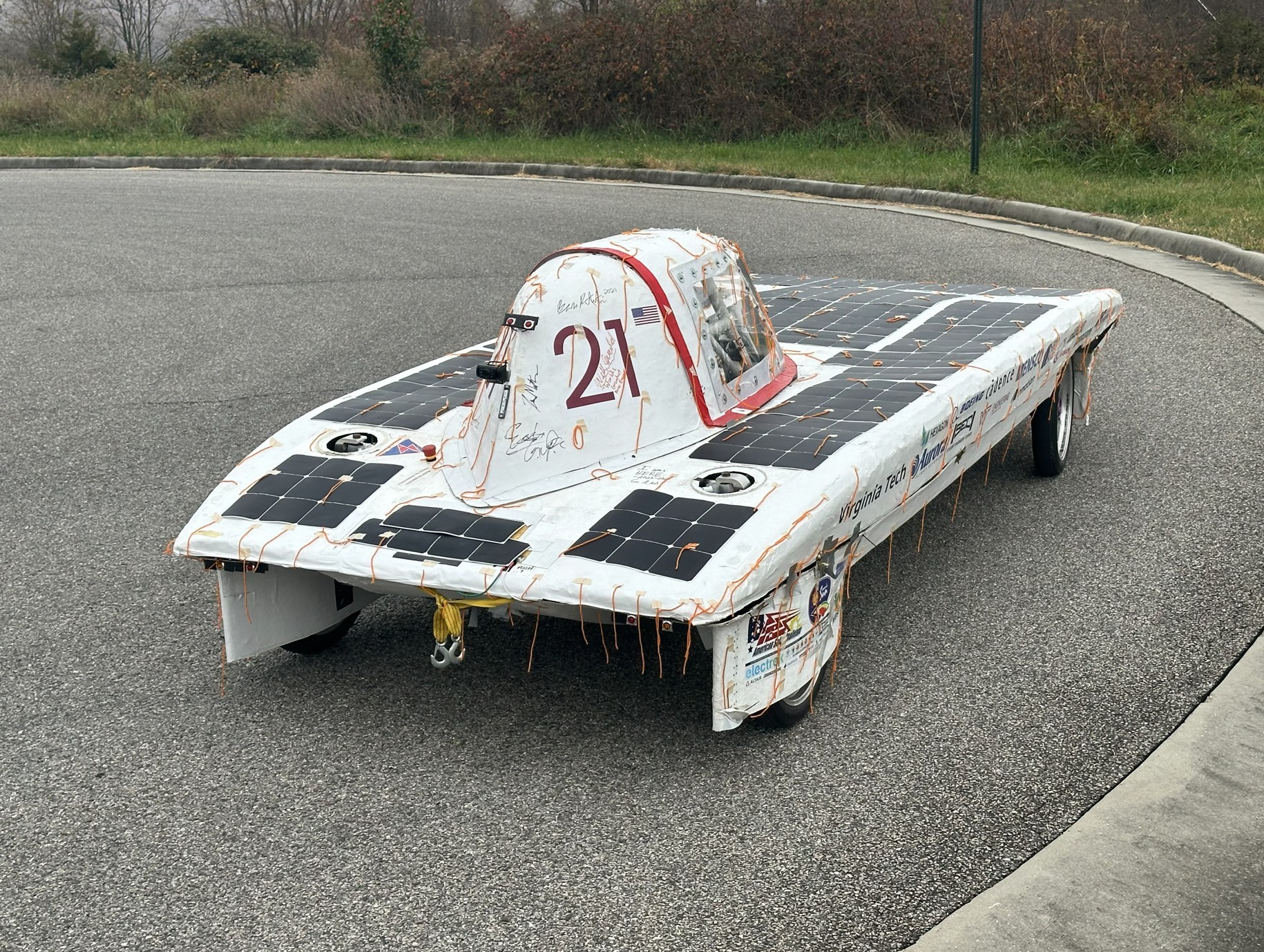
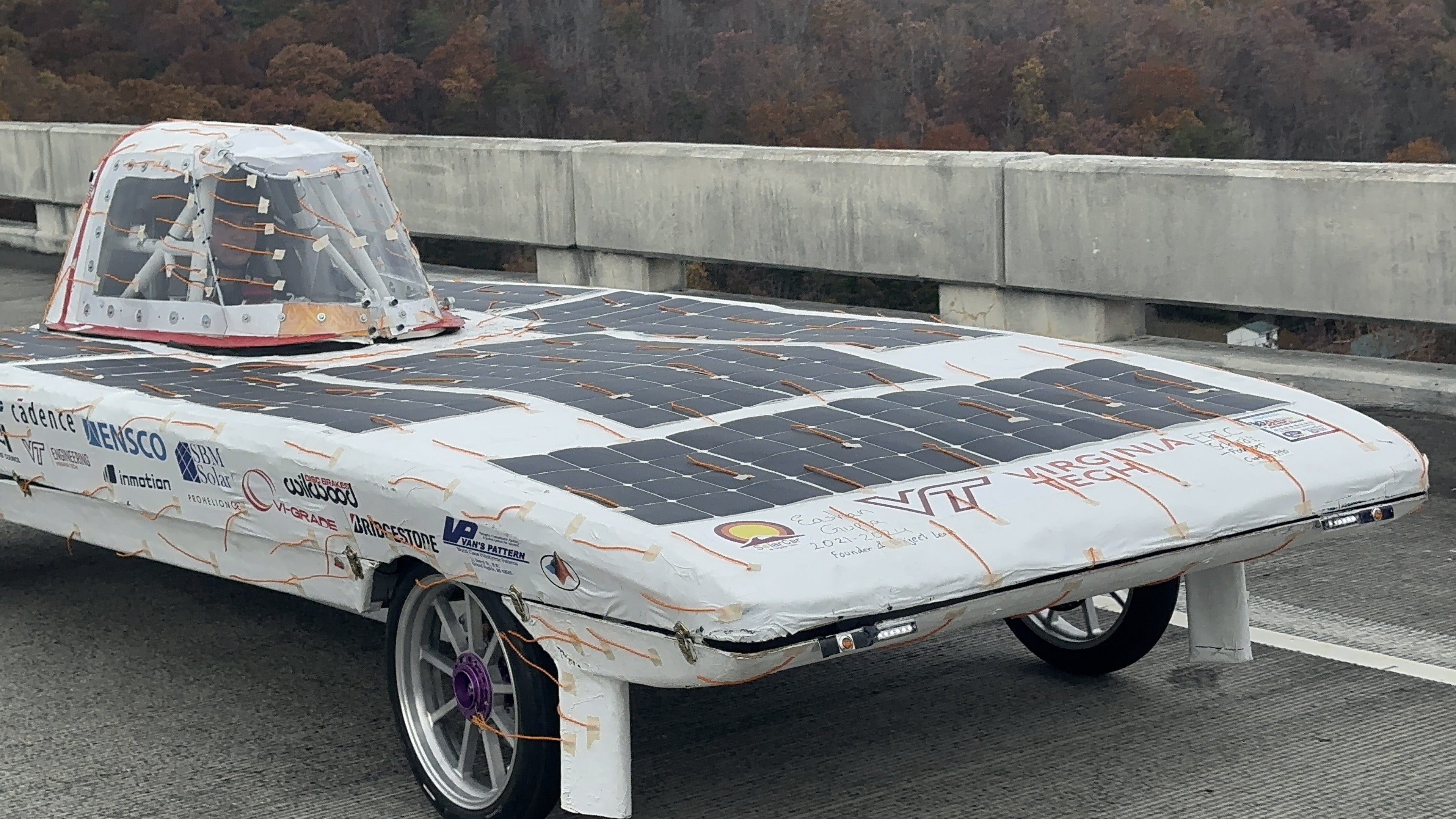
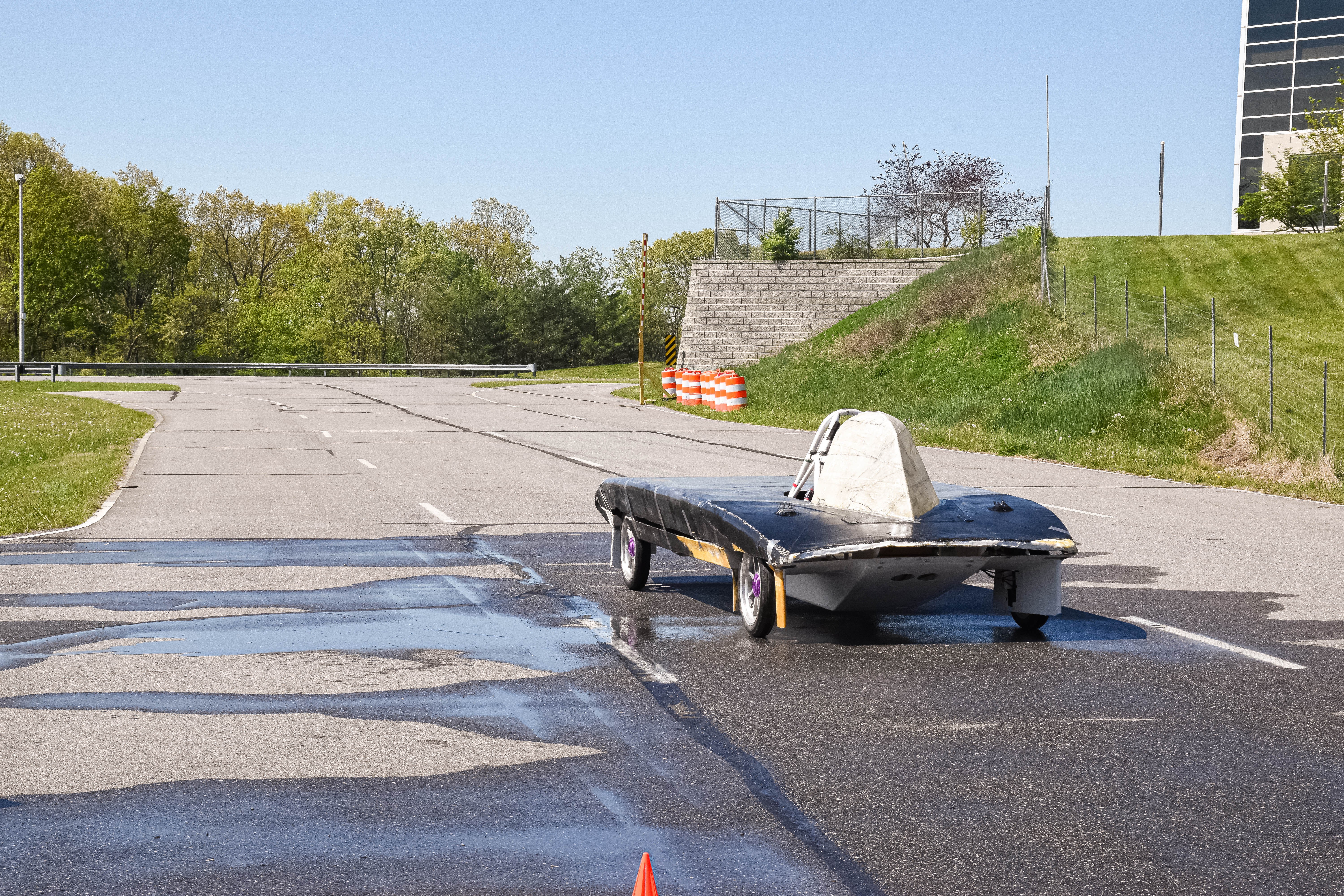
  • Instrumented the solar car's aeroshell with tufts (light strings)
  • Conducted behavioral airflow tests on a closed road highway
  • Analyzed tuft motion to identify regions of separation, turbulence, and reversed flow
Solution

Solution

  • Discovered a "parachute effect" at the leading edge
  • Identified a continuous gap between the upper and lower shells
  • Used test results to pinpoint areas for refinement in sealing, surface finish

Shaker Frequency Response

Challenge

Challenge

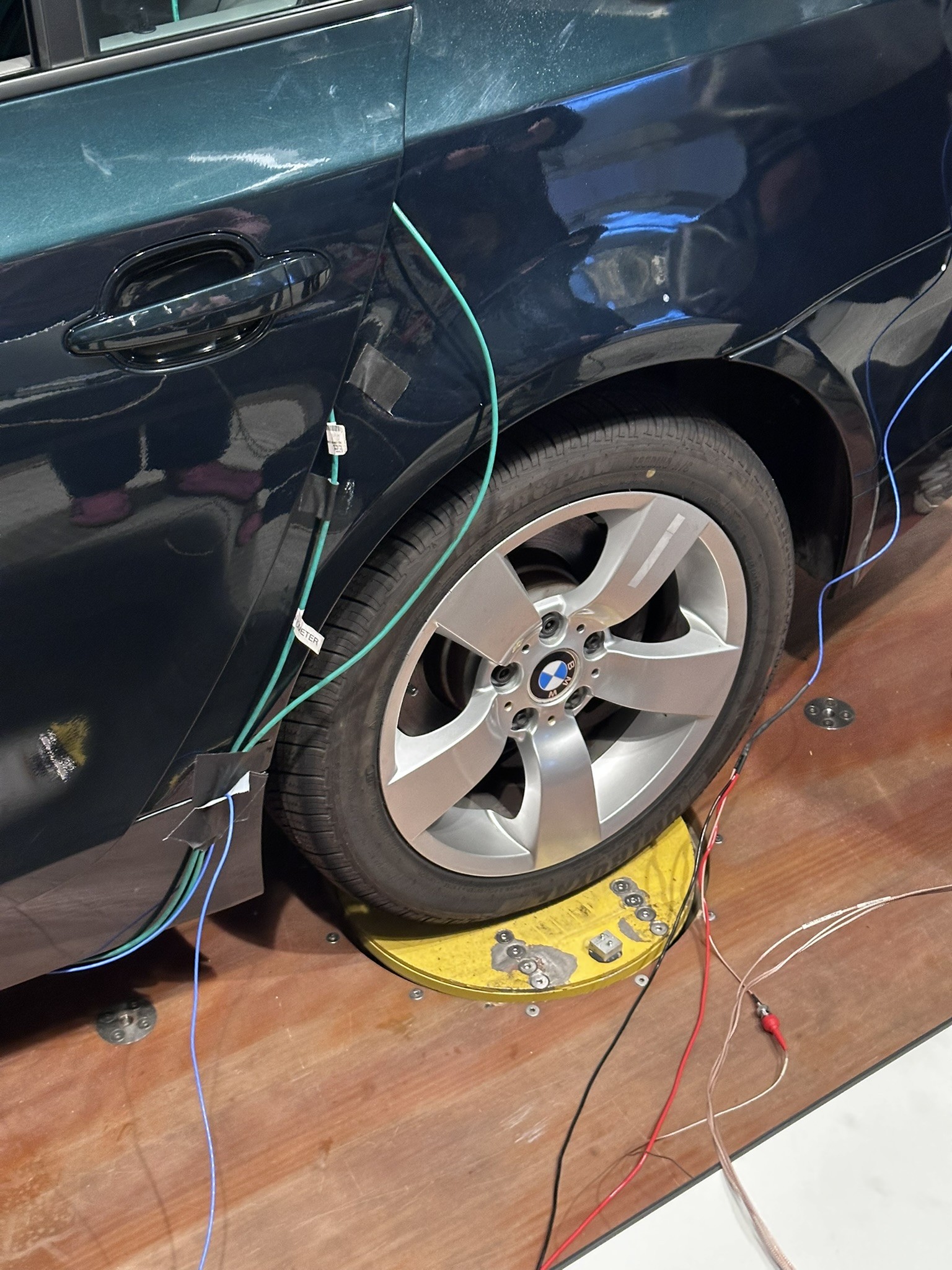
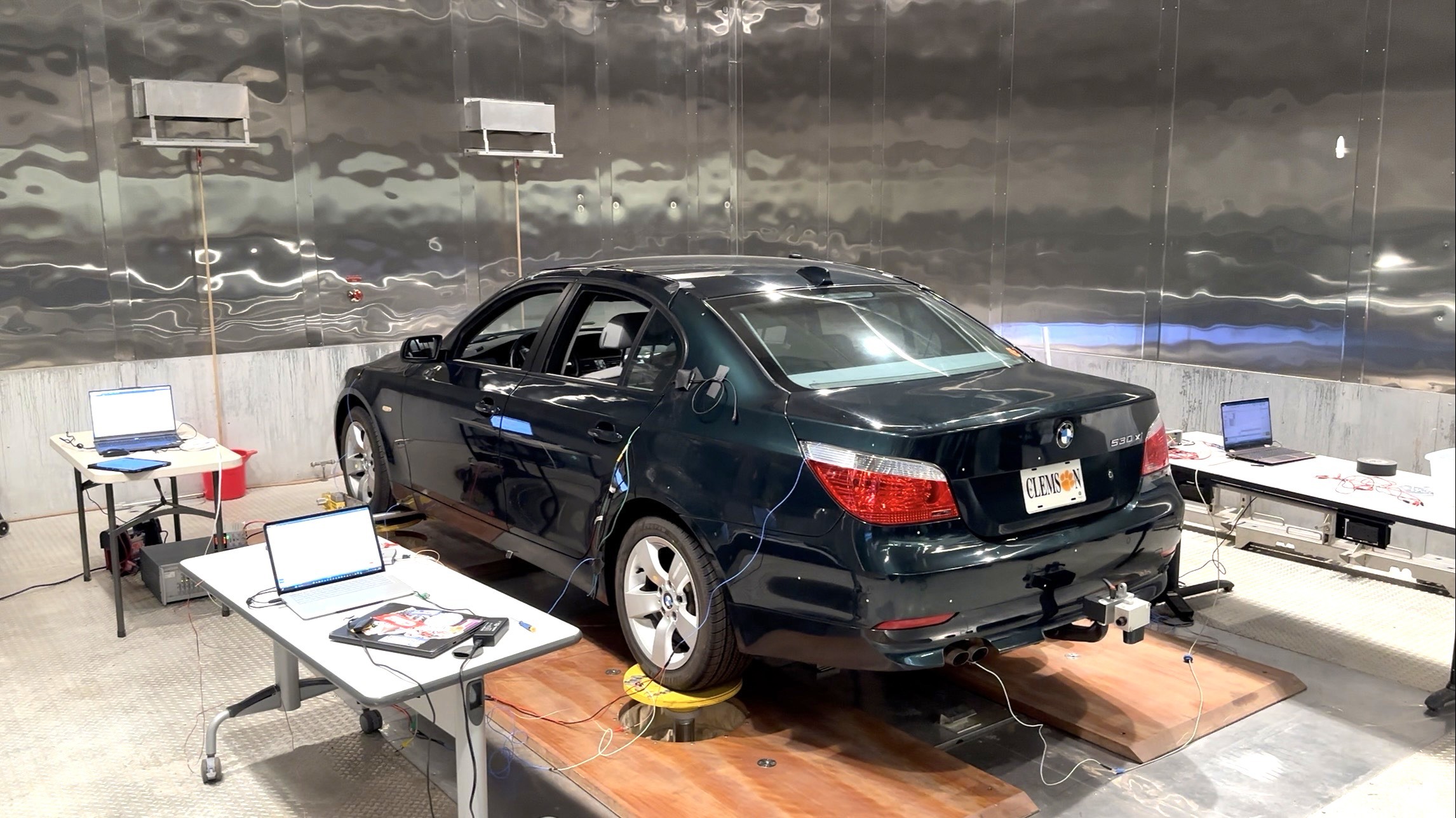
  • Understand how this particular vehicle responds to controlled road excitations
  • Capture accurate motion data from the sprung mass, unsprung masses
  • Identify key dynamic behaviors: resonant frequencies, wheel hop, and heave/pitch/roll
Approach

Approach

  • Instrumented the vehicle and posts with accelerometers in lateral, longitudinal, and vertical axes
  • Configured measurement interfaces in Simcenter Testlab
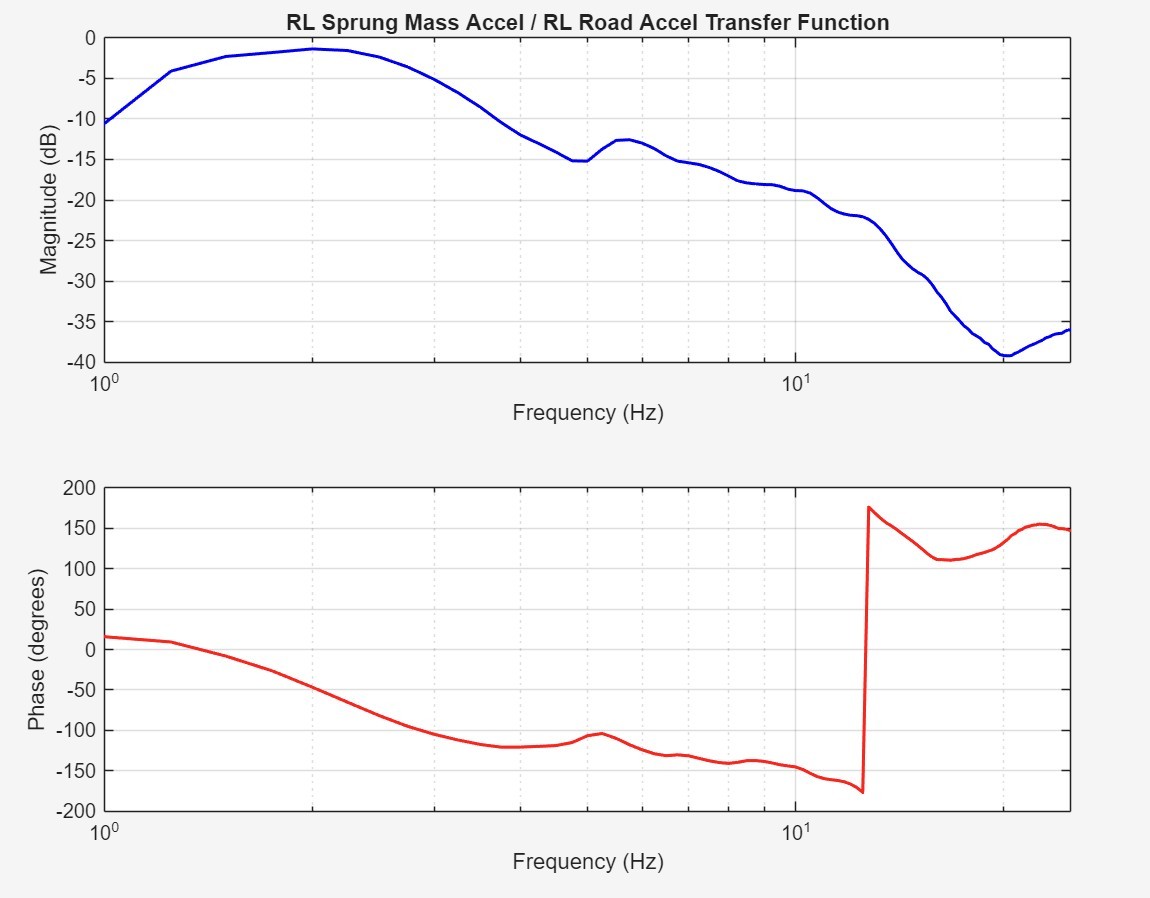
  • Performed 1–25 Hz sine sweeps on the shaker posts
Solution

Solution

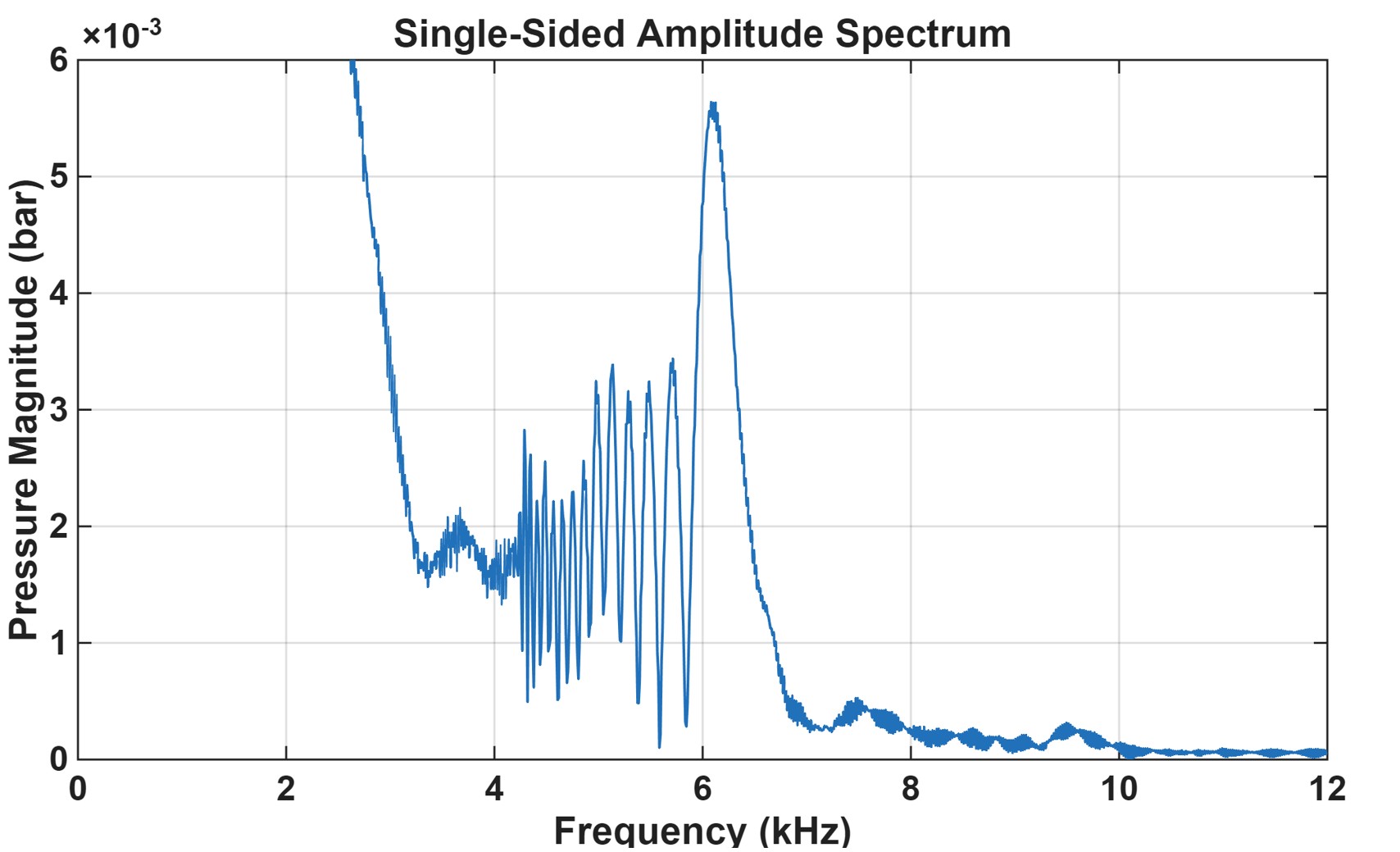
  • Identified key resonant peaks at ~2 Hz, ~5.5 Hz, and ~13 Hz
  • Verified that CG-level transfer functions exhibited the same resonant trends
  • Compared "cobblestone" road input PSD responses to controlled sine inputs

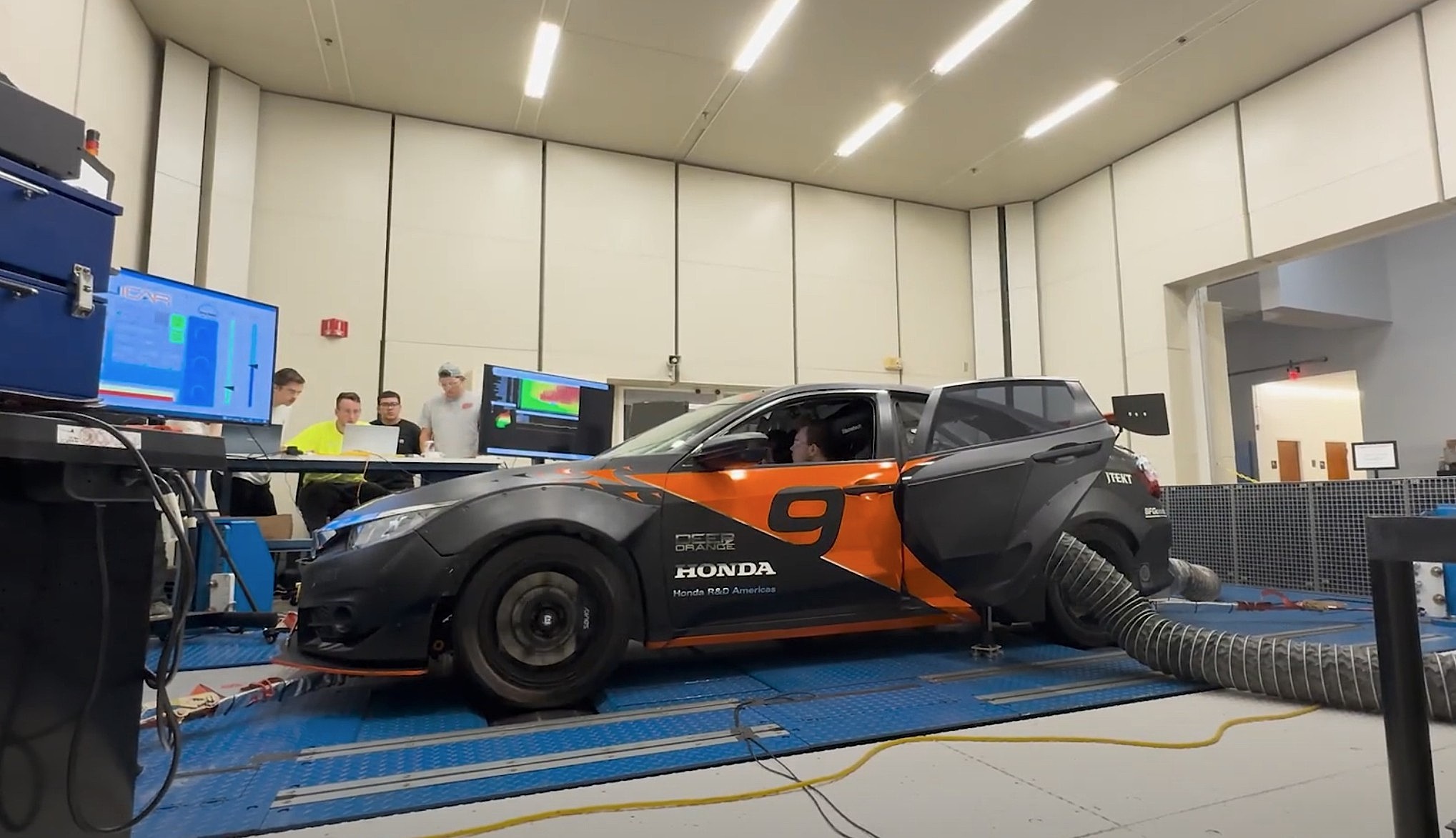
Dynamic Testing

Challenge

Challenge

  • Demonstrate compliance with American Solar Challenge performance rules
  • Develop a test plan for a closed-road facility while ensuring safety
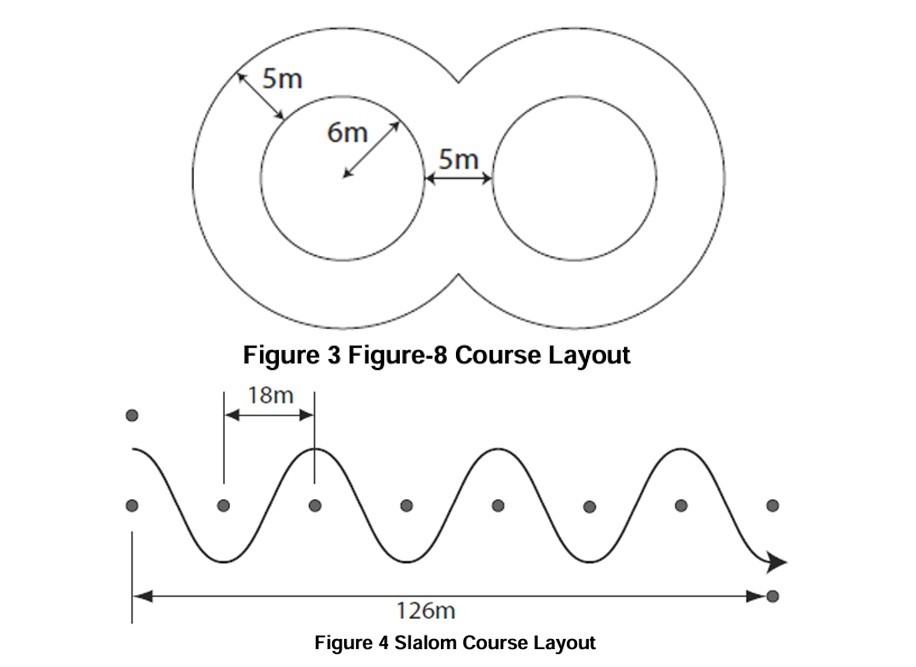
  • Achieve specified performance targets (≤ 8.0 s/side Figure-8, ≤ 11.5 s Slalom)
Approach

Approach

  • Developed a formal closed-road test plan specifying facility layout, safety briefings
  • Executed course setups per ASC geometry
  • Varied tire pressure to establish performance/efficiency tradeoffs
Solution

Solution

  • Collected, documented, and analyzed telemetry and video for all runs
  • Figure-8 and Slalom runs consistently met time targets with clear margins
  • Wet braking tests produced average deceleration above ASC minimum

Tracker Vehicle Optimization

Challenge

Challenge

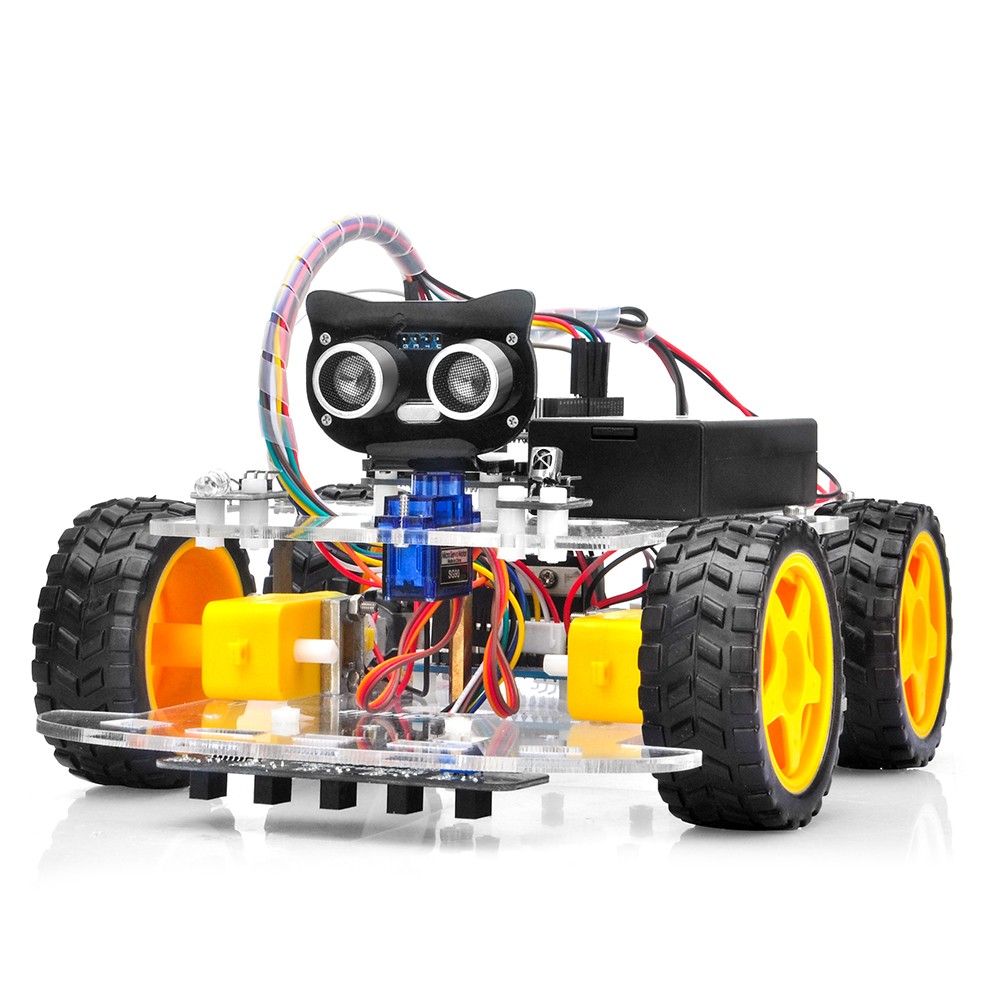
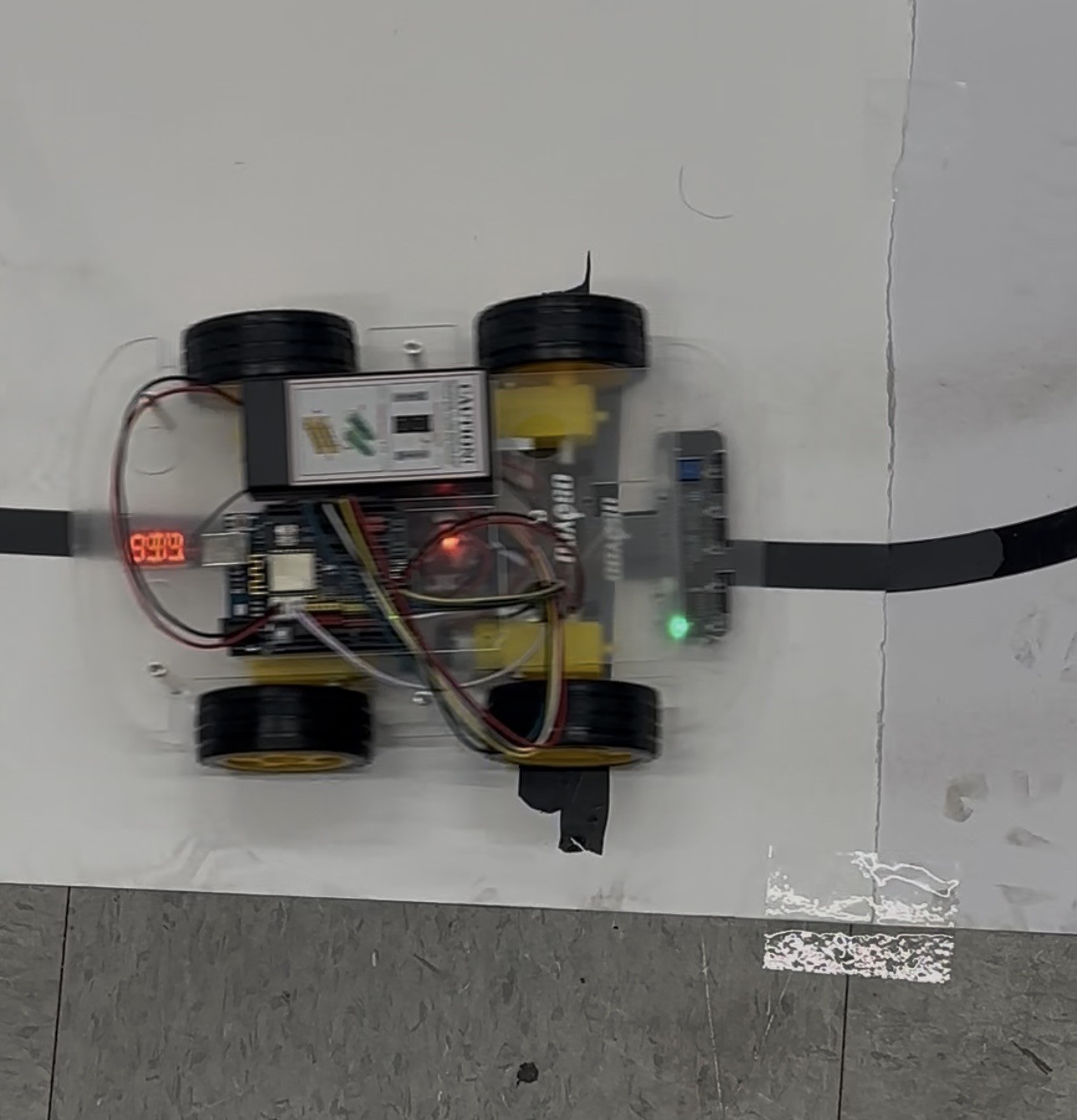
  • Use an autonomous line-following car that could not reliably stay on track
  • Gain a faster response from the vehicle
  • Alter sensitivity and control code to achieve consistent, precise behavior
Approach

Approach

  • Redesigned the control logic to optimize wheel speed balance
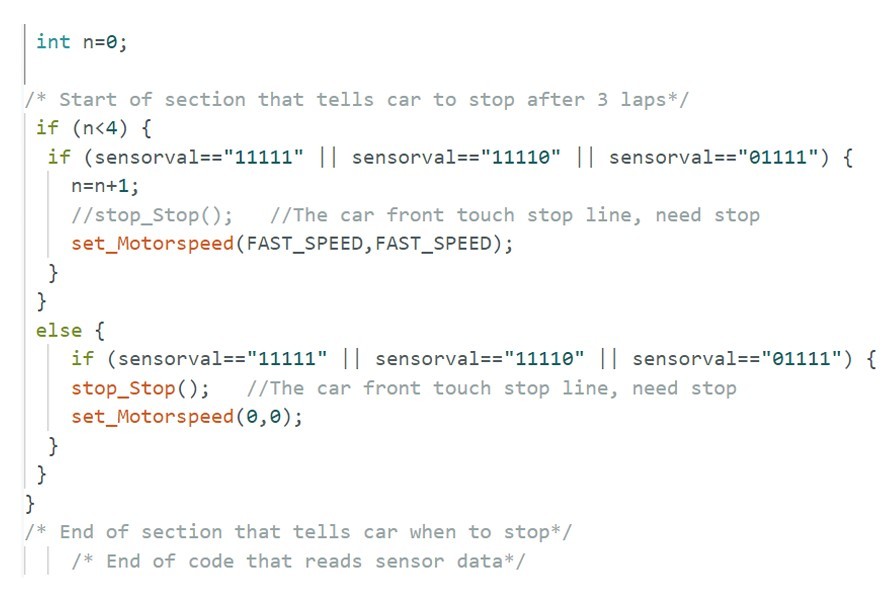
  • Implemented logic for lap counting and automatic stopping
  • Iteratively tested and tuned system parameters
Solution

Solution

  • Developed a higher speed and more stable control algorithm
  • Achieved consistent track-following performance
  • Placed in the top 3 for fastest vehicles around the loop