Custom Airfoil

Challenge

Challenge

  • Design a unique airfoil geometry optimized for aerodynamic performance
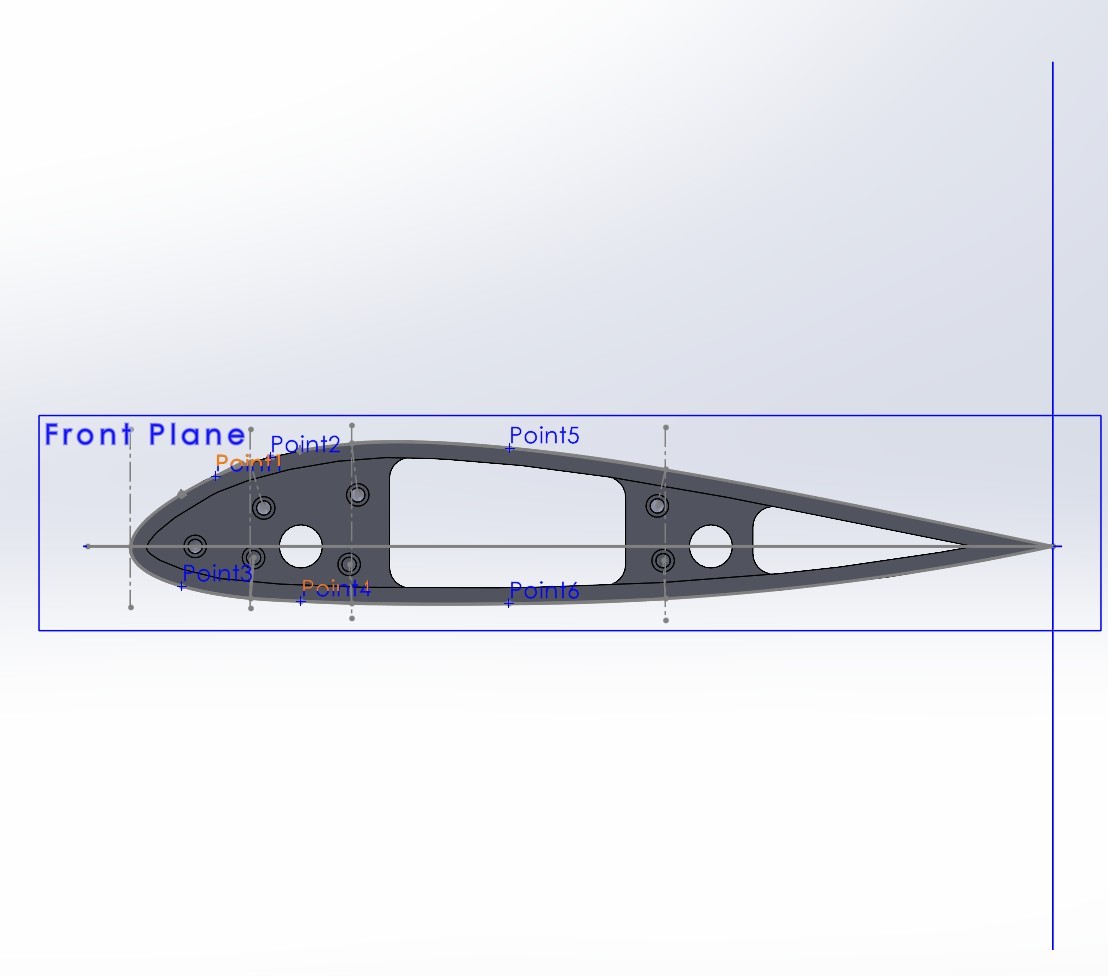
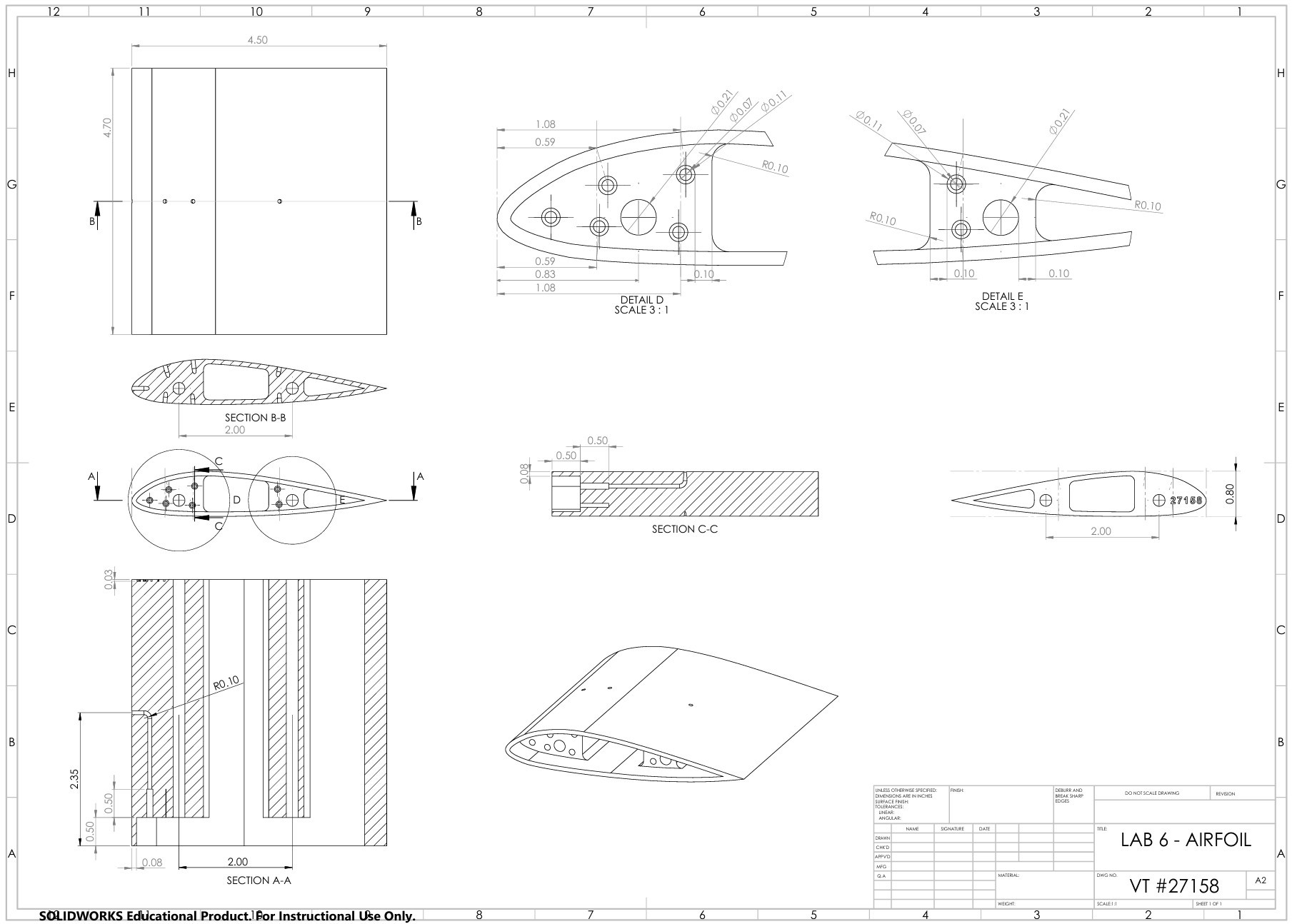
  • Model the airfoil in CAD with a 6-inch chord length for 3D printing
  • Conduct wind tunnel testing using pressure measurements along the surface
  • Evaluate lift and drag performance across multiple angles of attack to assess efficiency and stability
Approach

Approach

  • Used a pitot-static tube to measure airspeed in the wind tunnel via total and static pressure differences
  • Integrated pressure taps at the stagnation point and multiple locations on the upper and lower airfoil surfaces
  • Connected each tap through the hub to a pressure sensor for data acquisition
  • Applied a calibration equation to convert measured voltages into pressure values for analysis
Solution

Solution

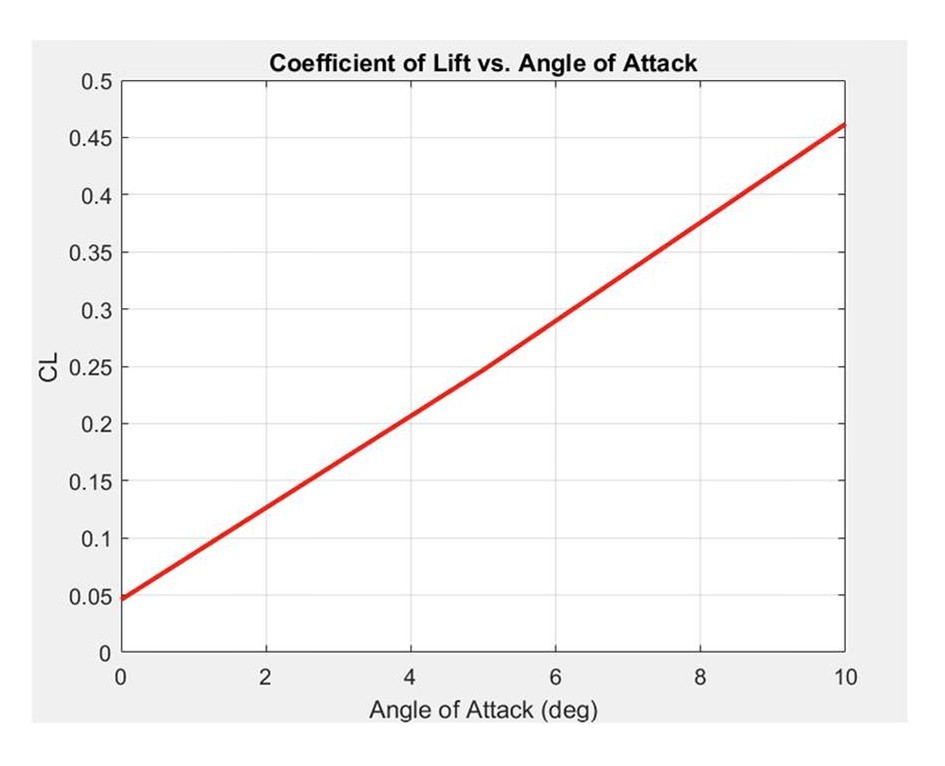
  • Showed theory-consistent behavior for the coefficient of lift vs. angle of attack
  • Displayed an approximately linear relationship from 0° to 10°, with a peak lift coefficient of 0.46
  • Demonstrated a smooth increase in lift without premature stall behavior
  • Confirmed a successful airfoil design with stable, reliable, and predictable lift performance within the tested range
Volt-Veil

Challenge
  • Identify and evaluate market opportunities through brainstorming, weekly observations, and targeted questions
  • Apply design and feasibility criteria to narrow potential product ideas
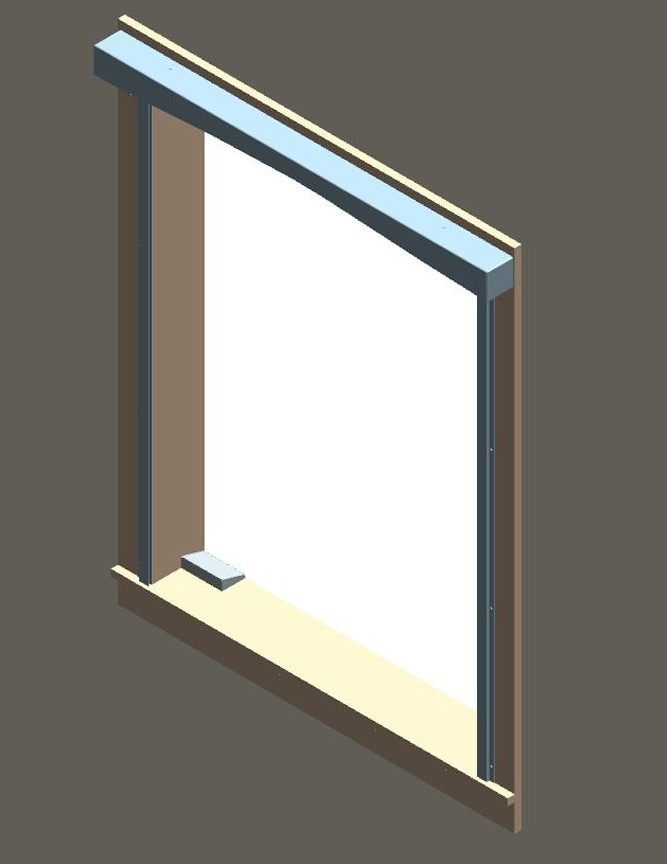
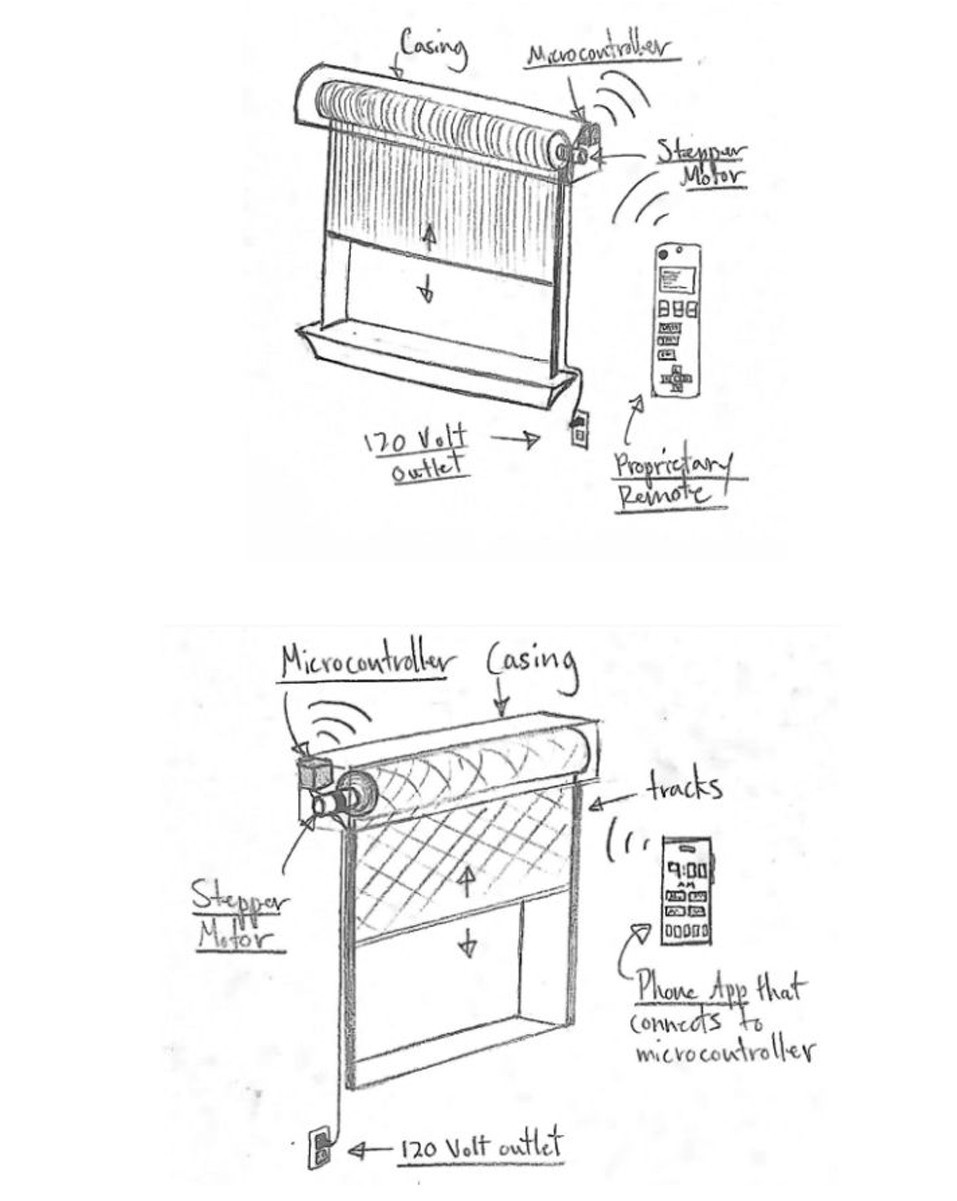
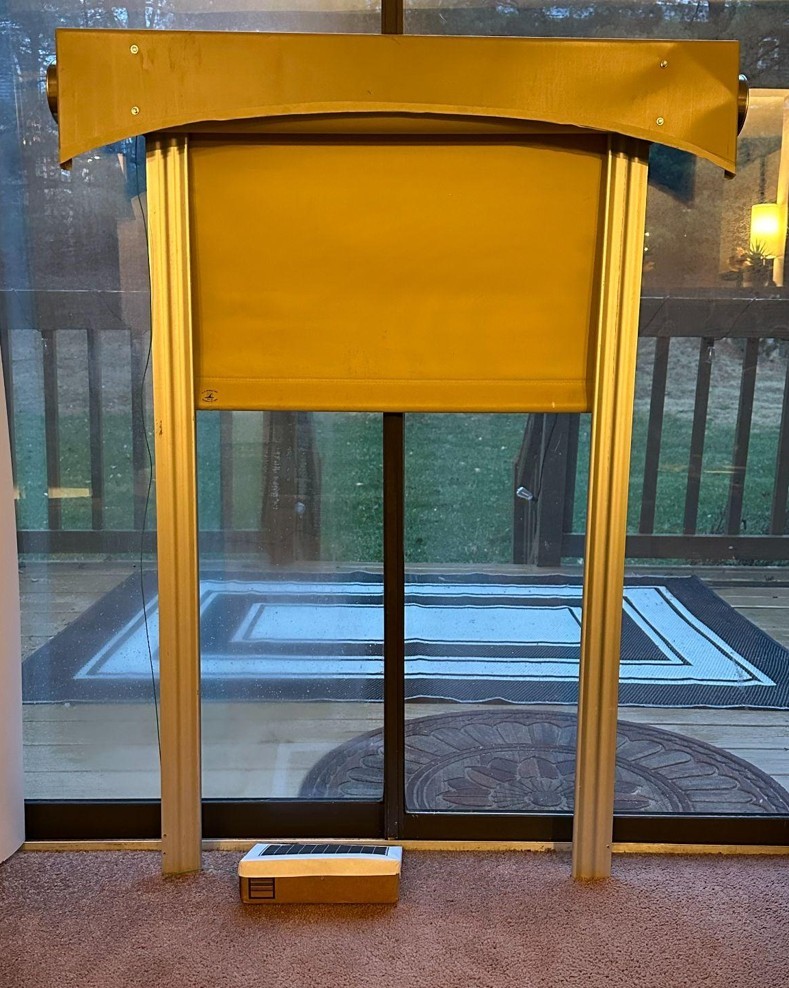
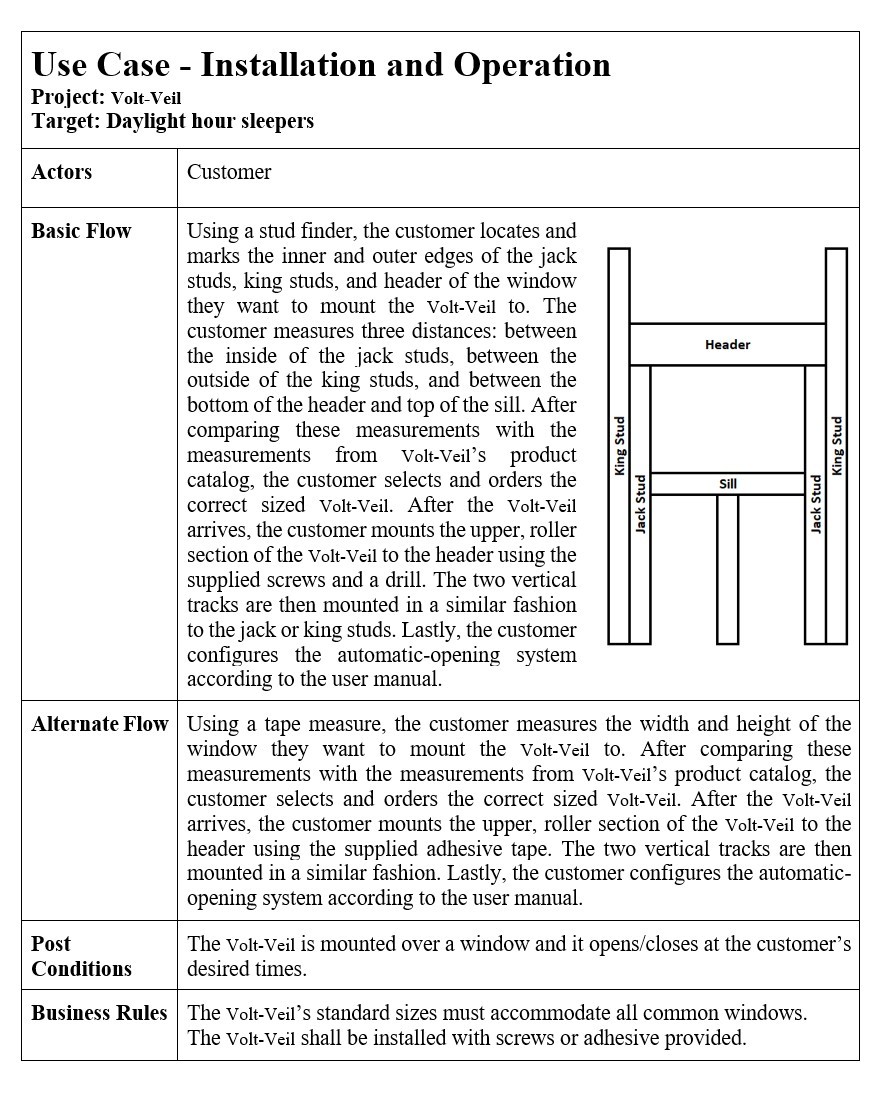
  • Select Volt-Veil, a zero light-bleed, automatic curtain system, for its large market potential
  • Conduct market analysis through customer surveys

Approach

  • Planned and managed the project using structured tools such as a Gantt Chart, DSM Chart, and resource allocation table
  • Identified customer needs through surveys and analysis, translating them into measurable target specifications and a Quality Function Deployment (QFD) matrix
  • Developed and evaluated design concepts using concept generation, concept screening/scoring, and Failure Modes & Effects Analysis (FMEA)

Solution

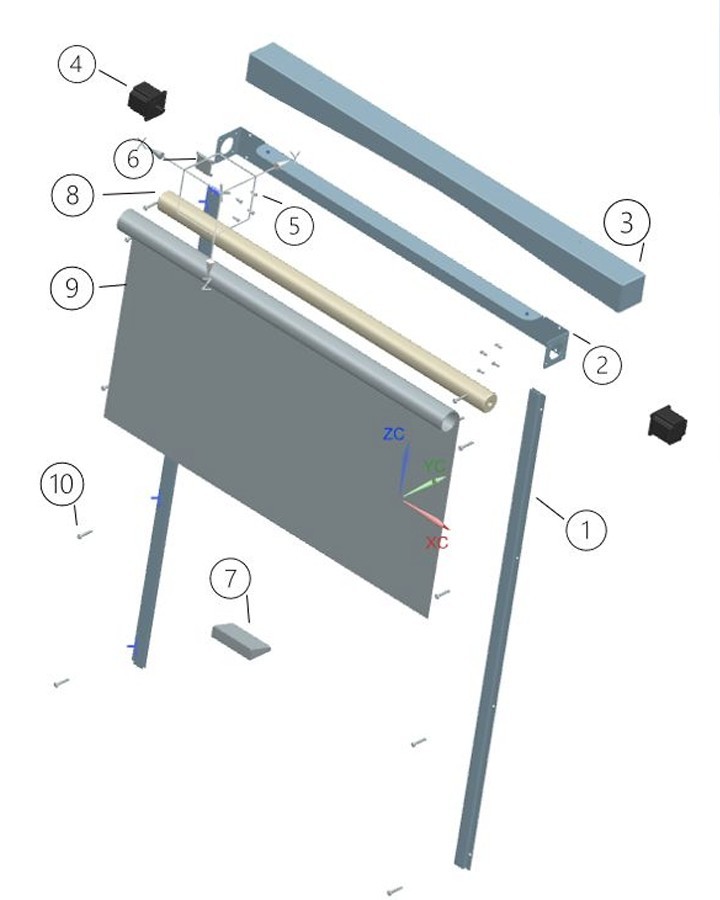
  • Utilized CAD modeling to design, prototype, and refine the curtain's mechanical and housing components
  • Integrated a stepper motor, microcontroller, and programmable timer to enable automatic opening and closing
  • Validated performance through assembly analysis, cost evaluation, and functional testing

Parking Brake System

Challenge

Challenge

  • Must hold the fully loaded car on dry pavement against a 10% weight force without wheel chocks
  • Operates independently from the main braking system and is excluded from main brake tests
  • Must lock in place, be set from the seated, belted position in one motion
  • No tire or wheel-contact designs allowed—must fit within tight space constraints
Approach

Approach

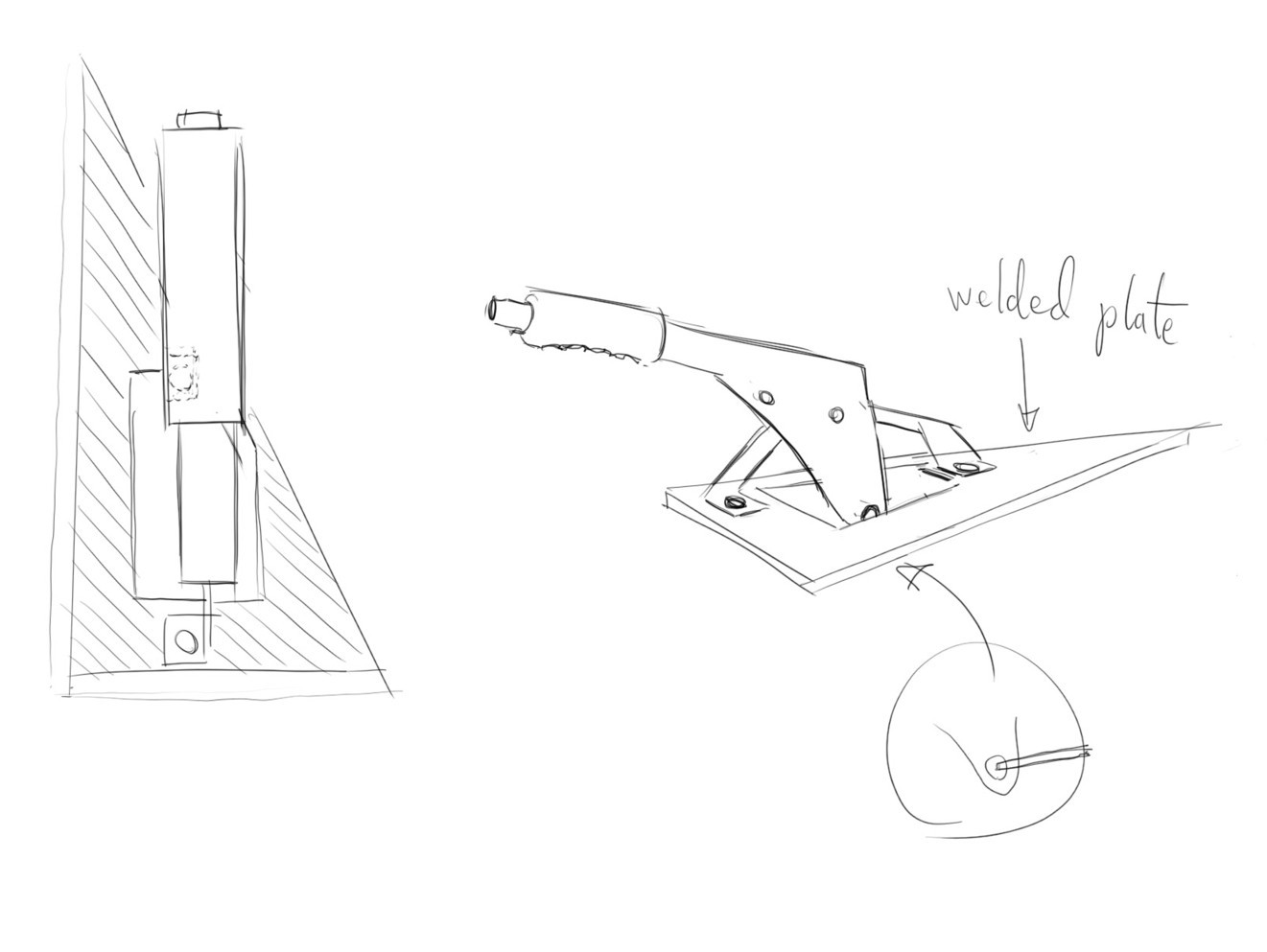
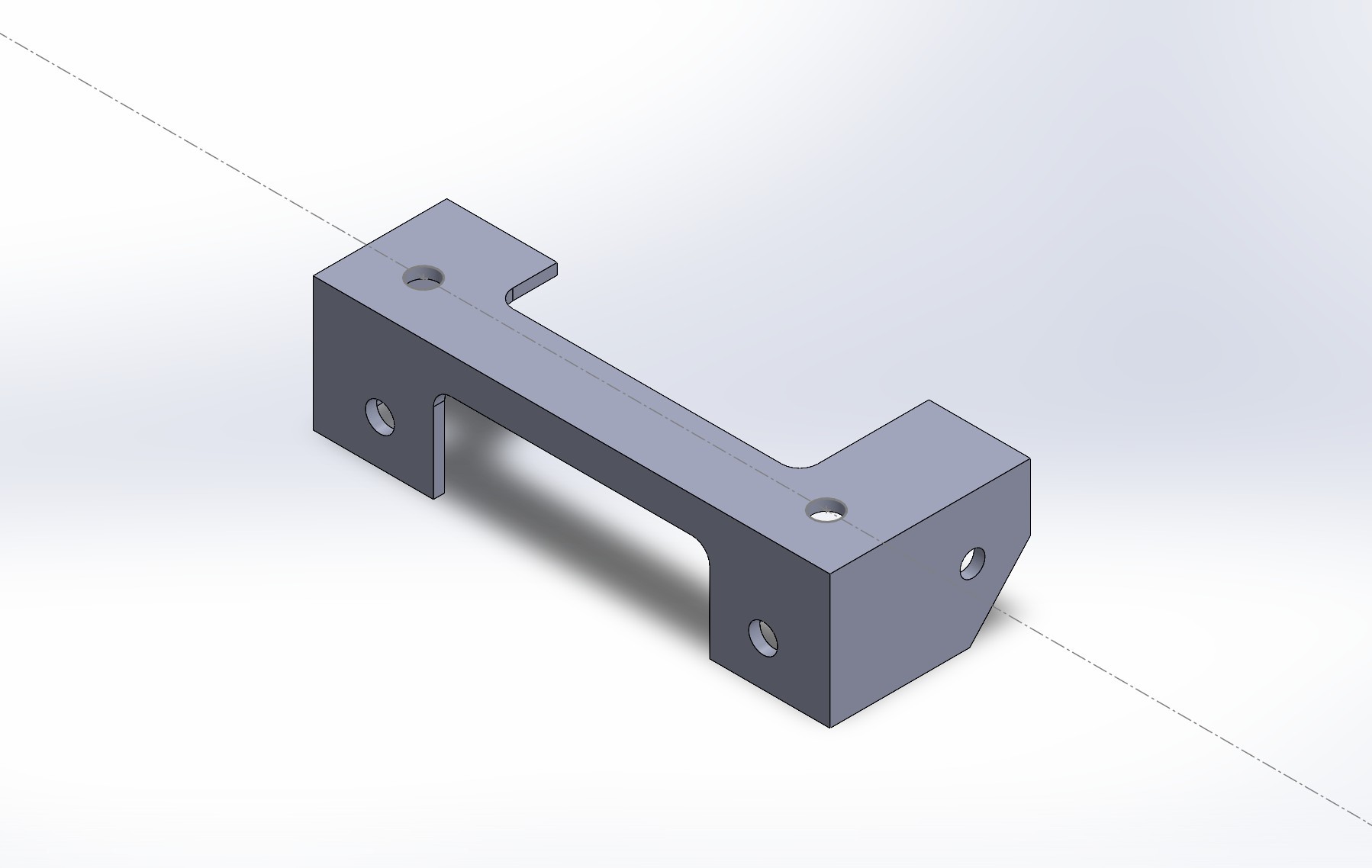
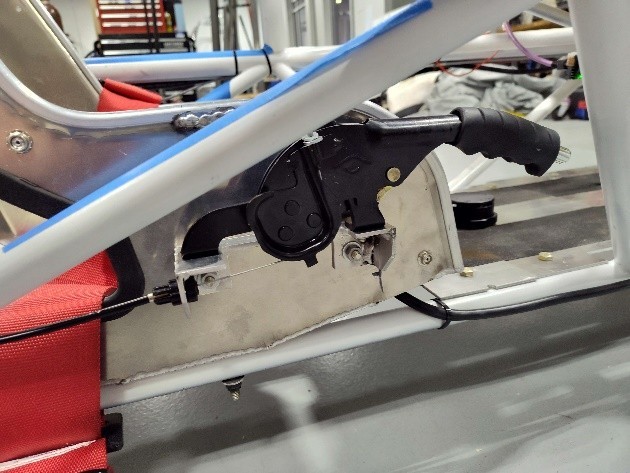
  • Designed a dedicated rear caliper system mounted independently from the main hydraulic brakes
  • Developed a simple lever mechanism that locks securely in place
  • Ensured the system is operable from the seated, belted driving position in one motion
  • Iterated on packaging to fit within the vehicle's tight space constraints
Solution

Solution

  • Developed a parking brake system that fits within the vehicle's tight space constraints
  • Utilized a dedicated rear caliper mounted on the left rear wheel fully separate from main braking
  • Featured a simple lever mechanism that locks securely in place and is easy to operate
  • Successfully passed the 10% pull test

Aeroshell Manufacturing

Challenge

Challenge

  • The solar car aeroshell exhibited surface roughness, gaps, and misalignment between top and bottom halves
  • The shell was structurally weak and flexible making it difficult to remove or reassemble
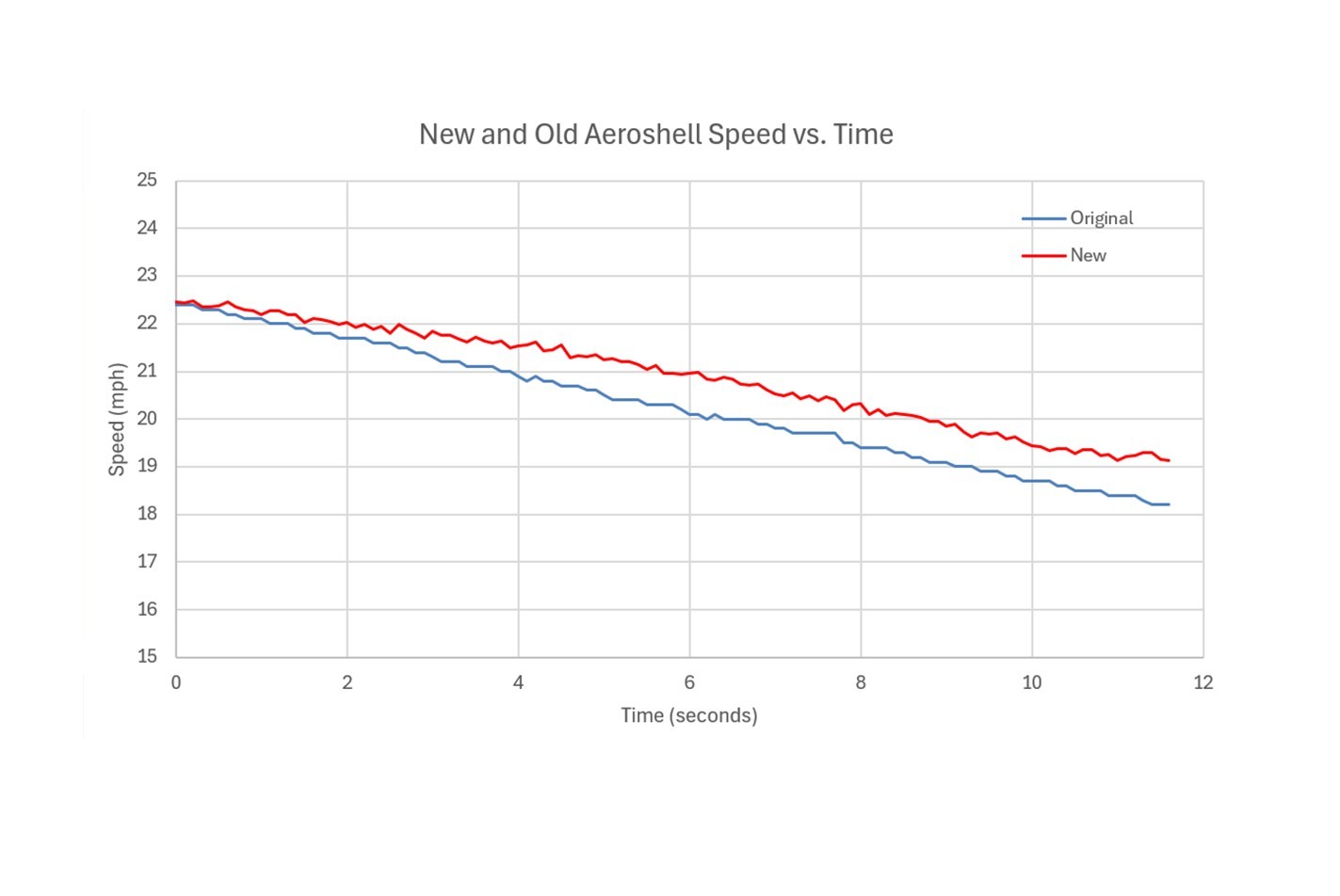
  • These issues led to aerodynamic inefficiency during coast-down testing
Approach

Approach

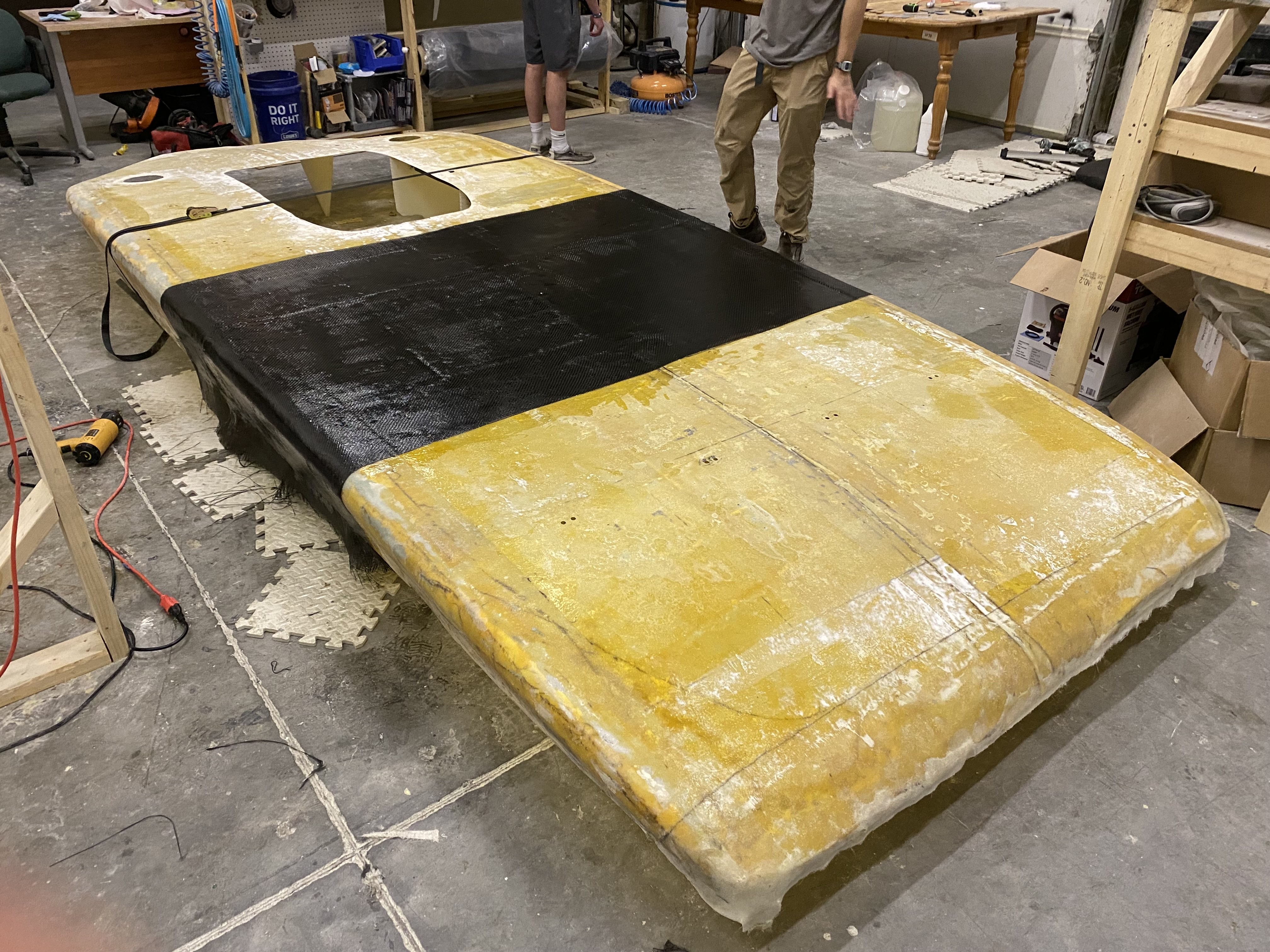
  • Undertook a remanufacturing process to rebuild the aeroshell using refined fiberglass layups and carbon fiber reinforcement
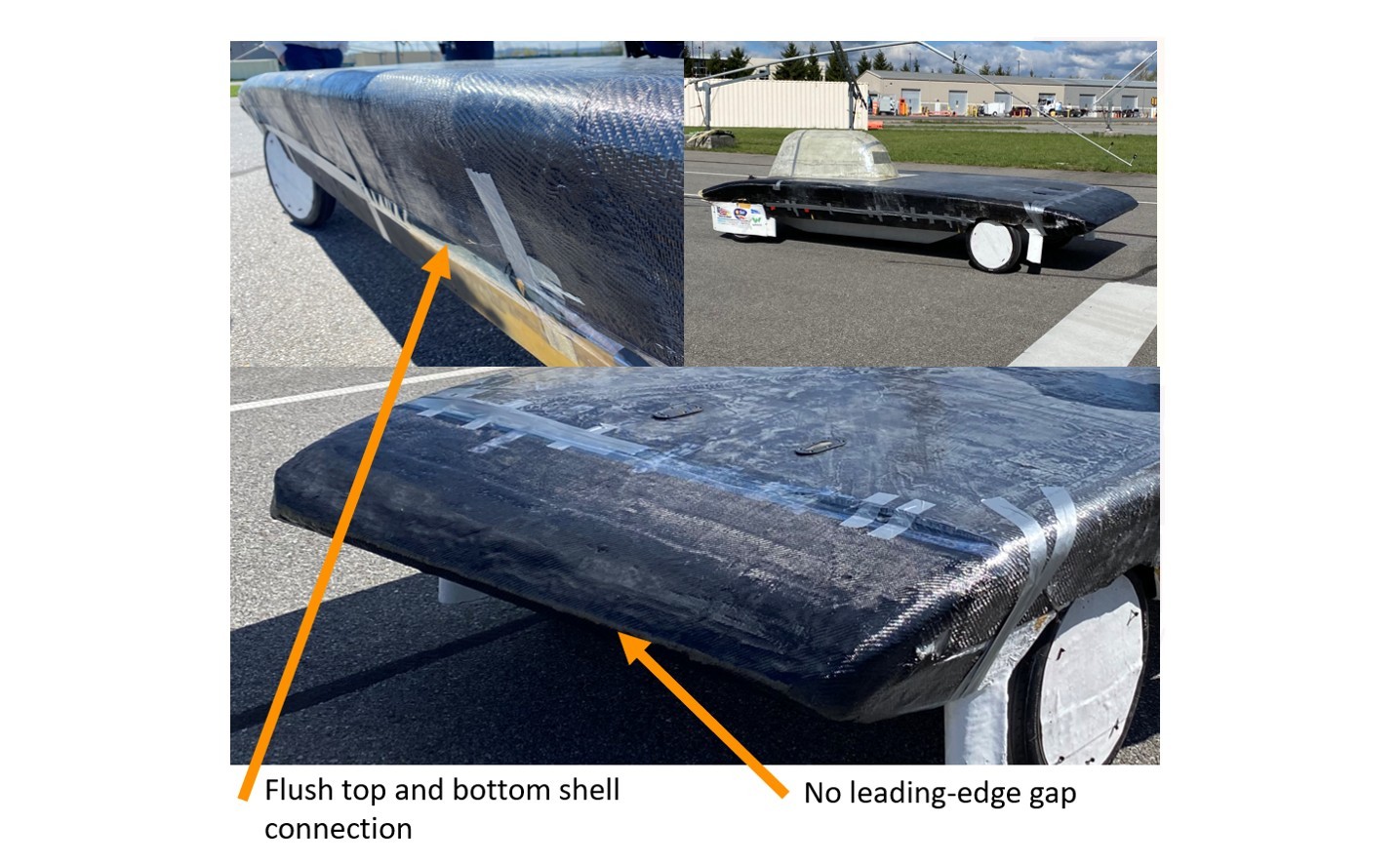
  • Focused on closing gaps between shell sections and ensuring smooth exterior surfaces
  • Prioritized durability and serviceability
Solution

Solution

  • Successfully eliminated gaps and reduced surface imperfections
  • The carbon-fiber-reinforced shell provided increased stiffness
  • Coast-down testing confirmed a significant reduction in aerodynamic drag

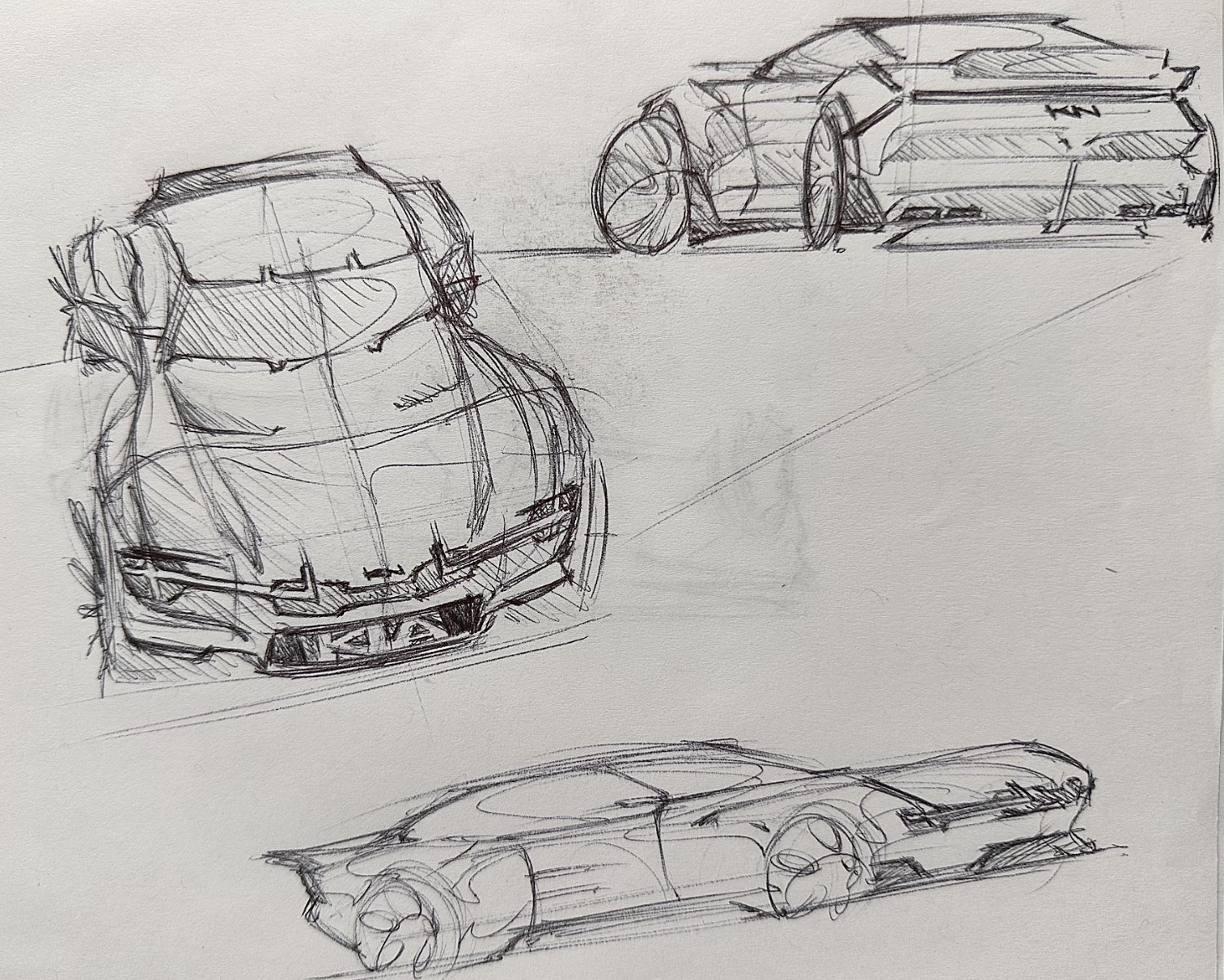
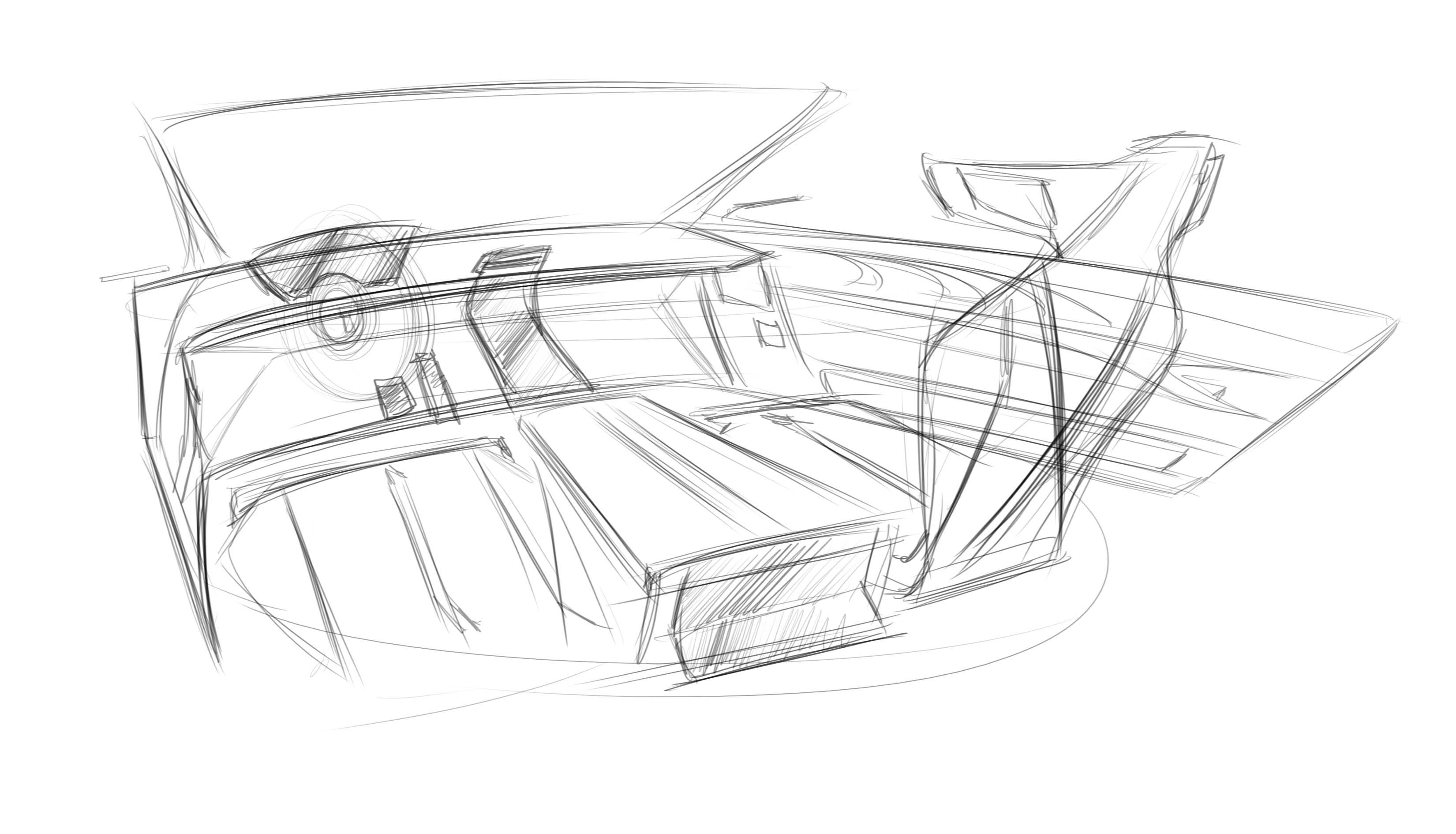
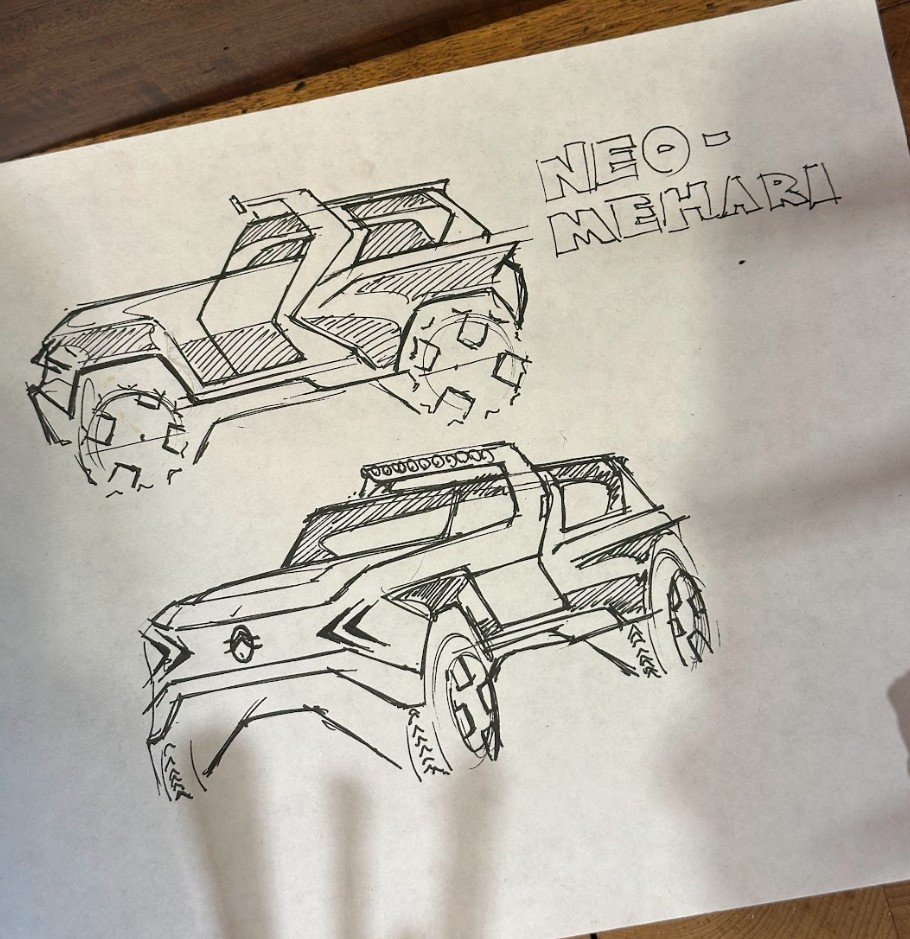
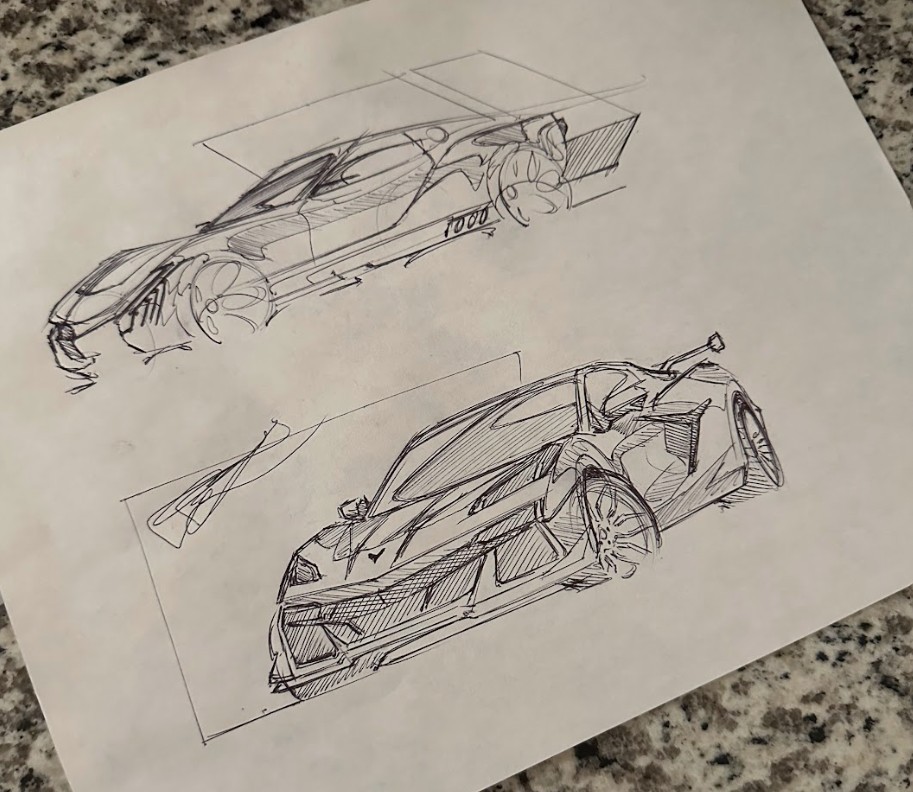
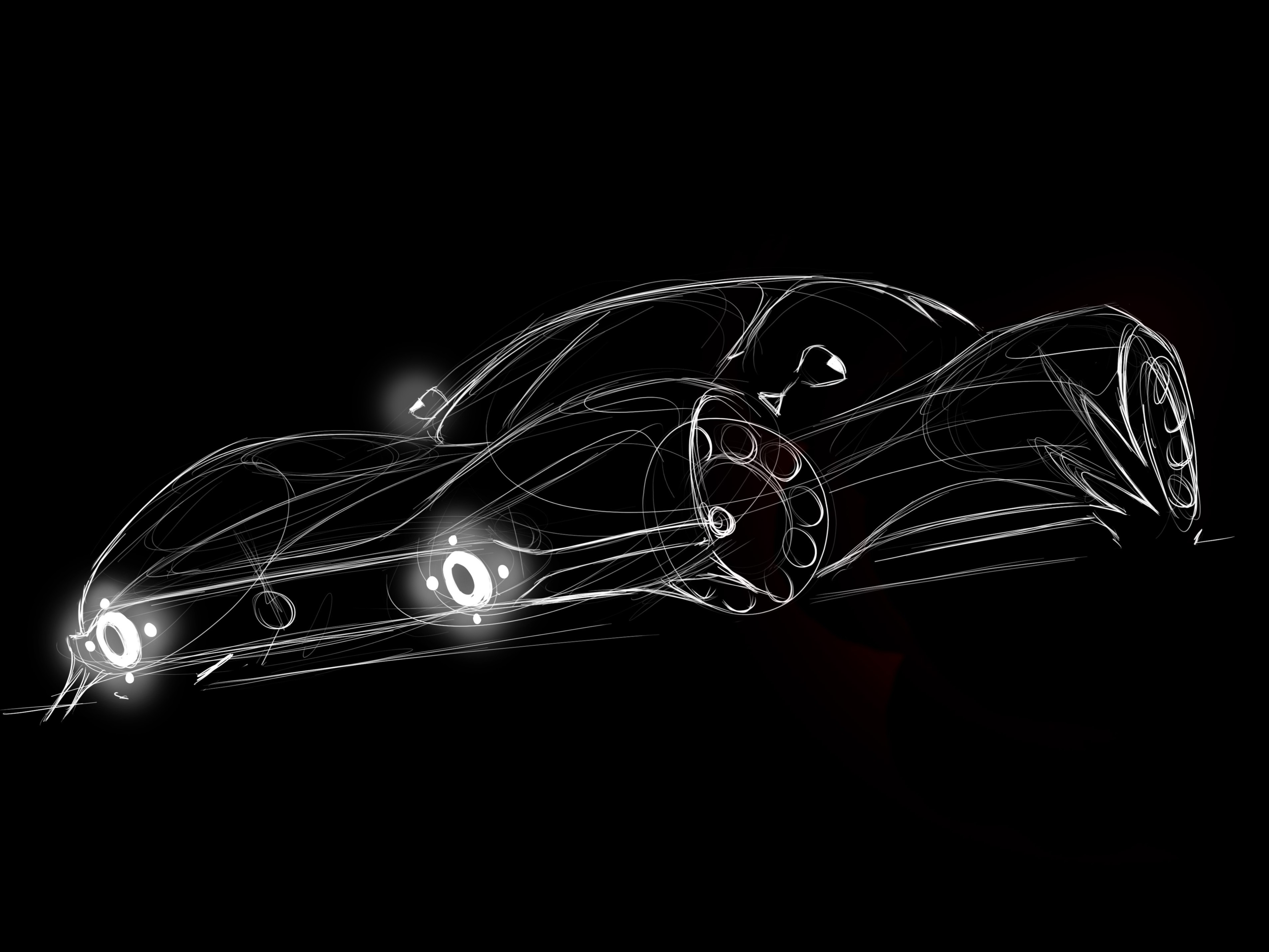
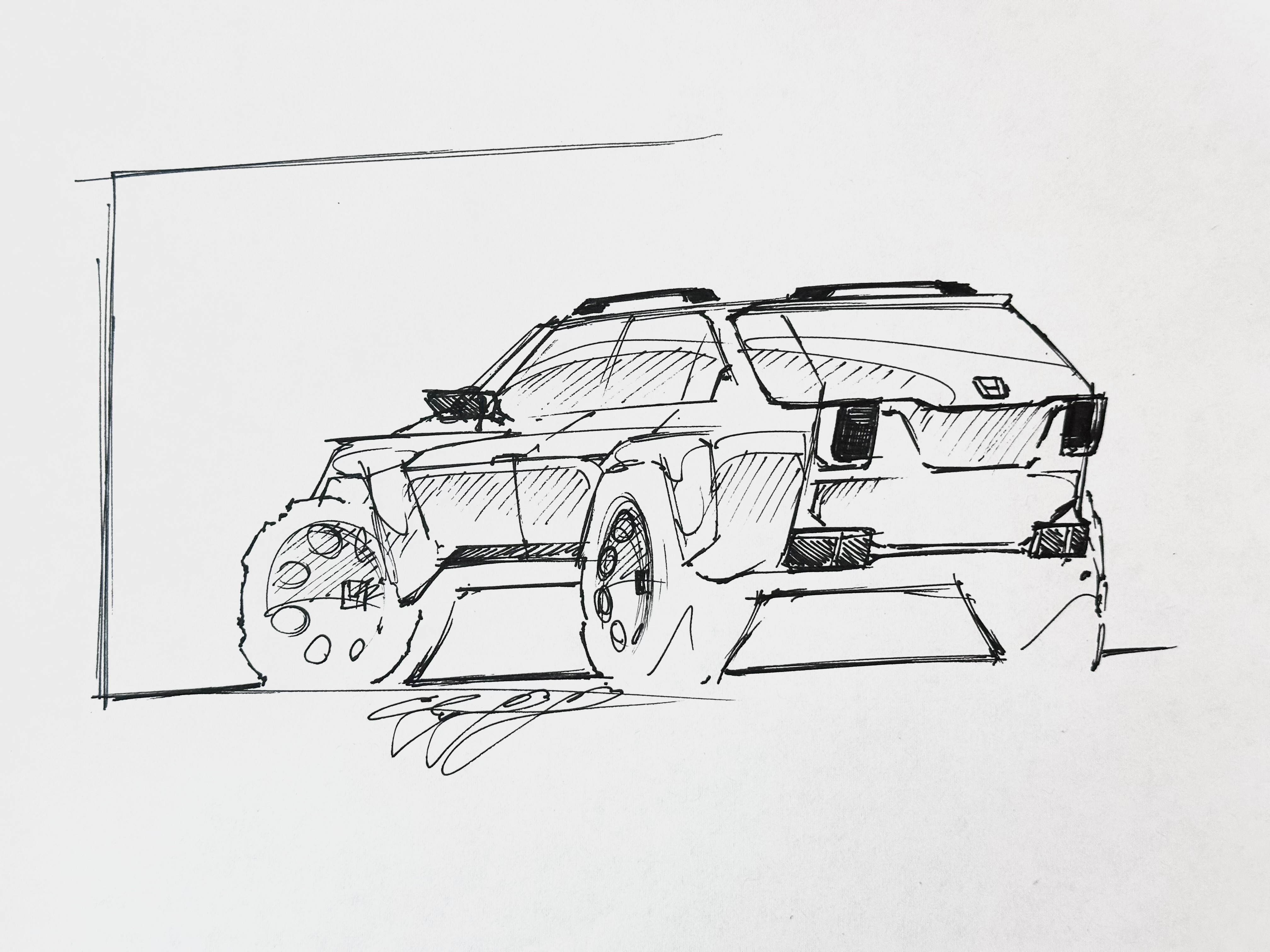
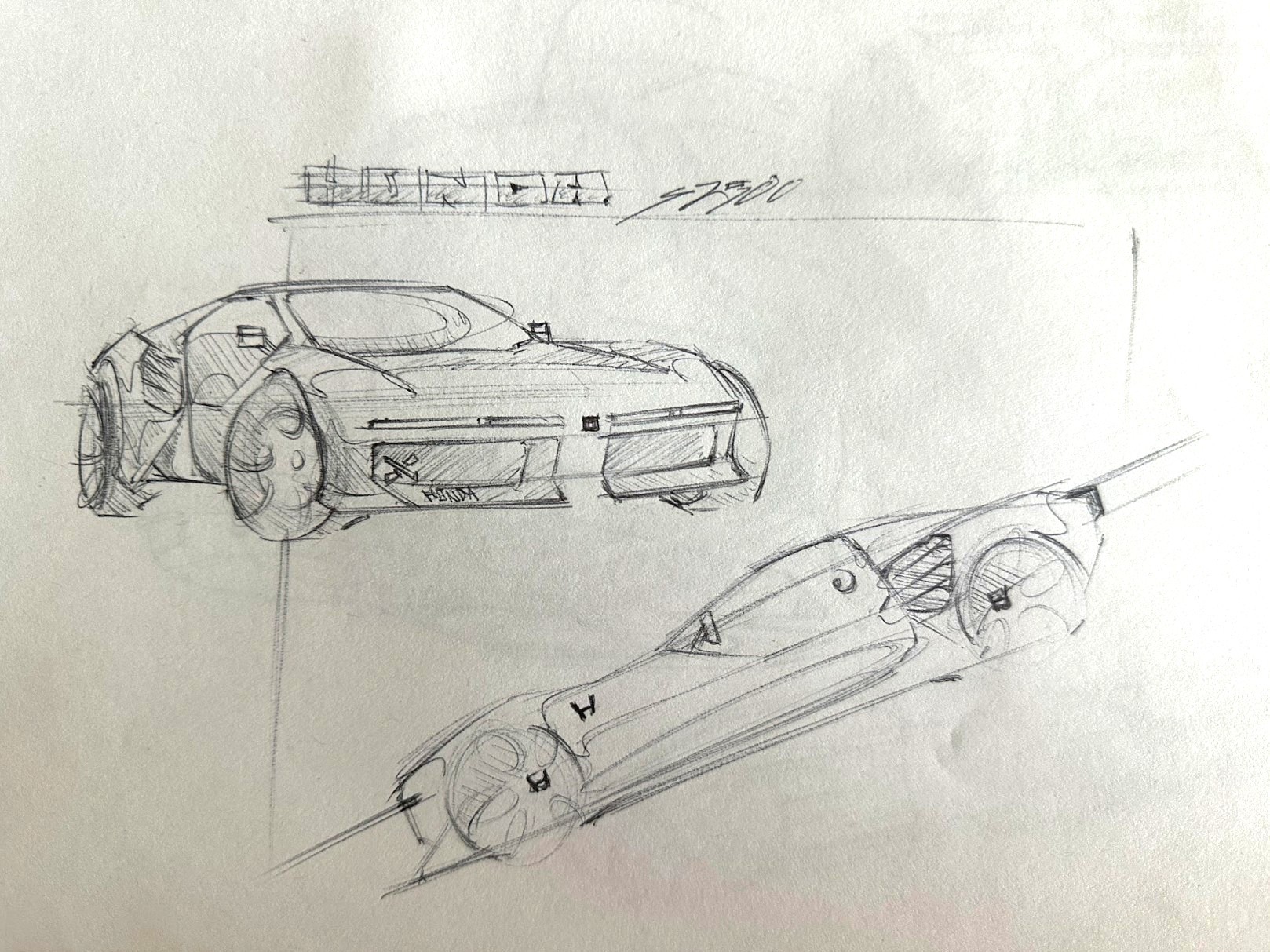
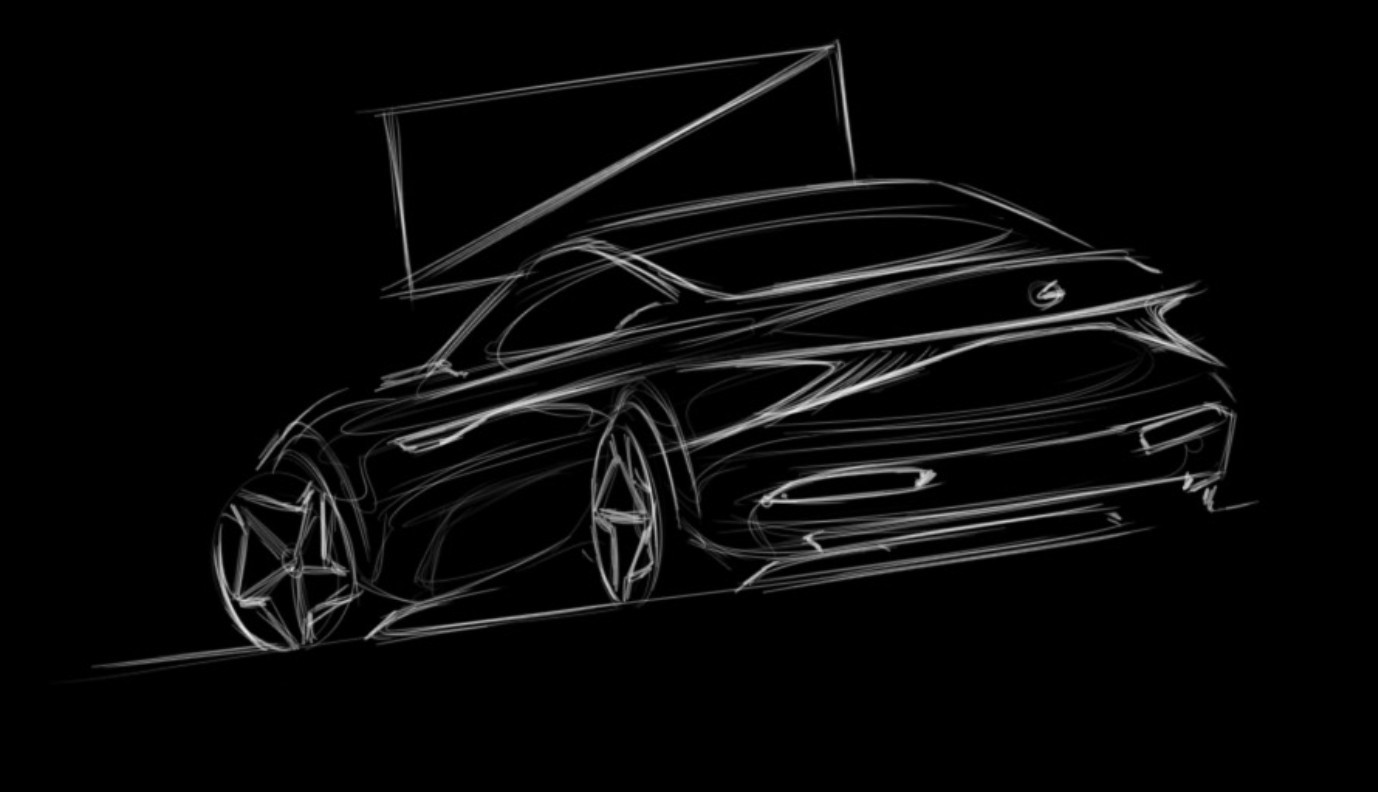
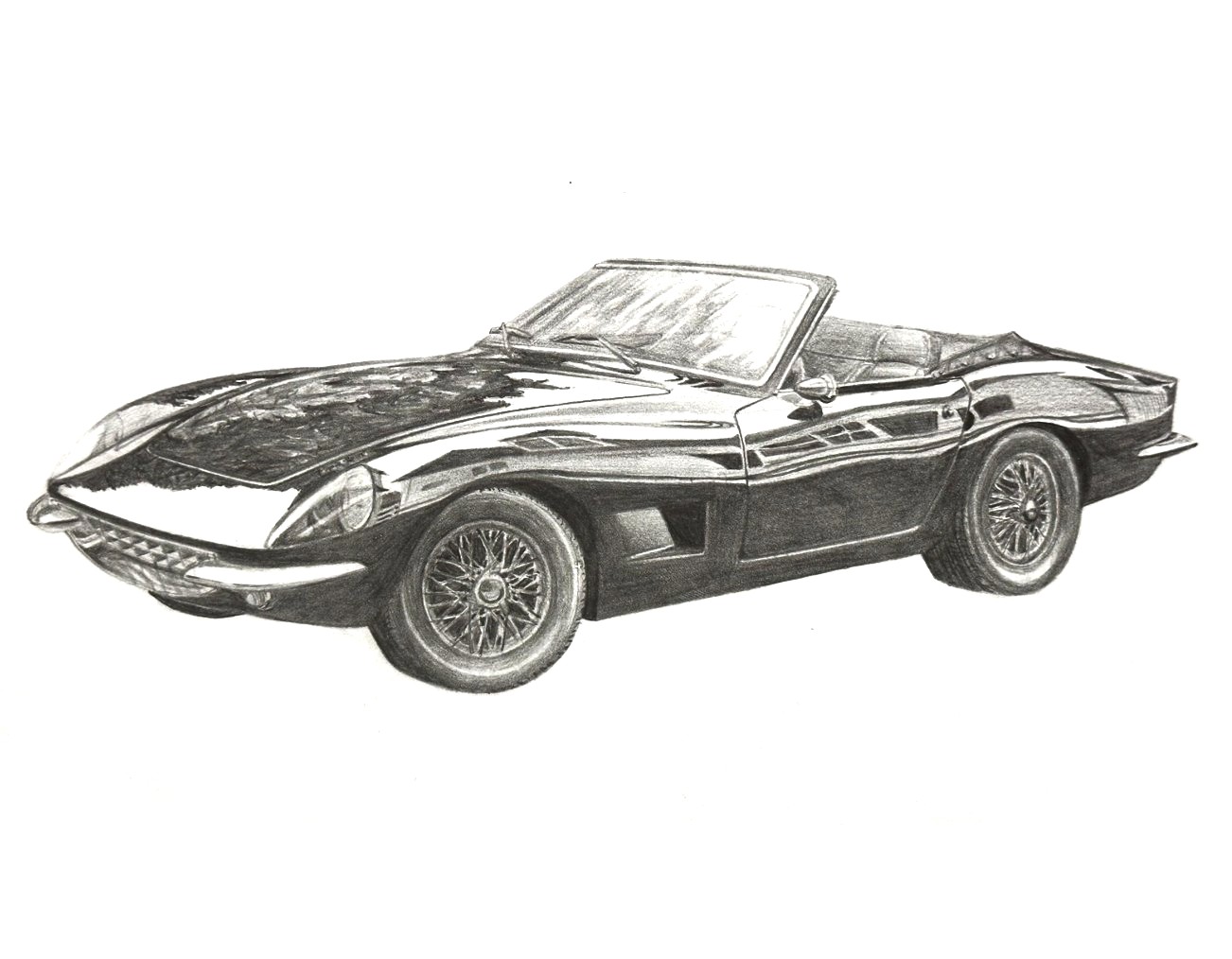
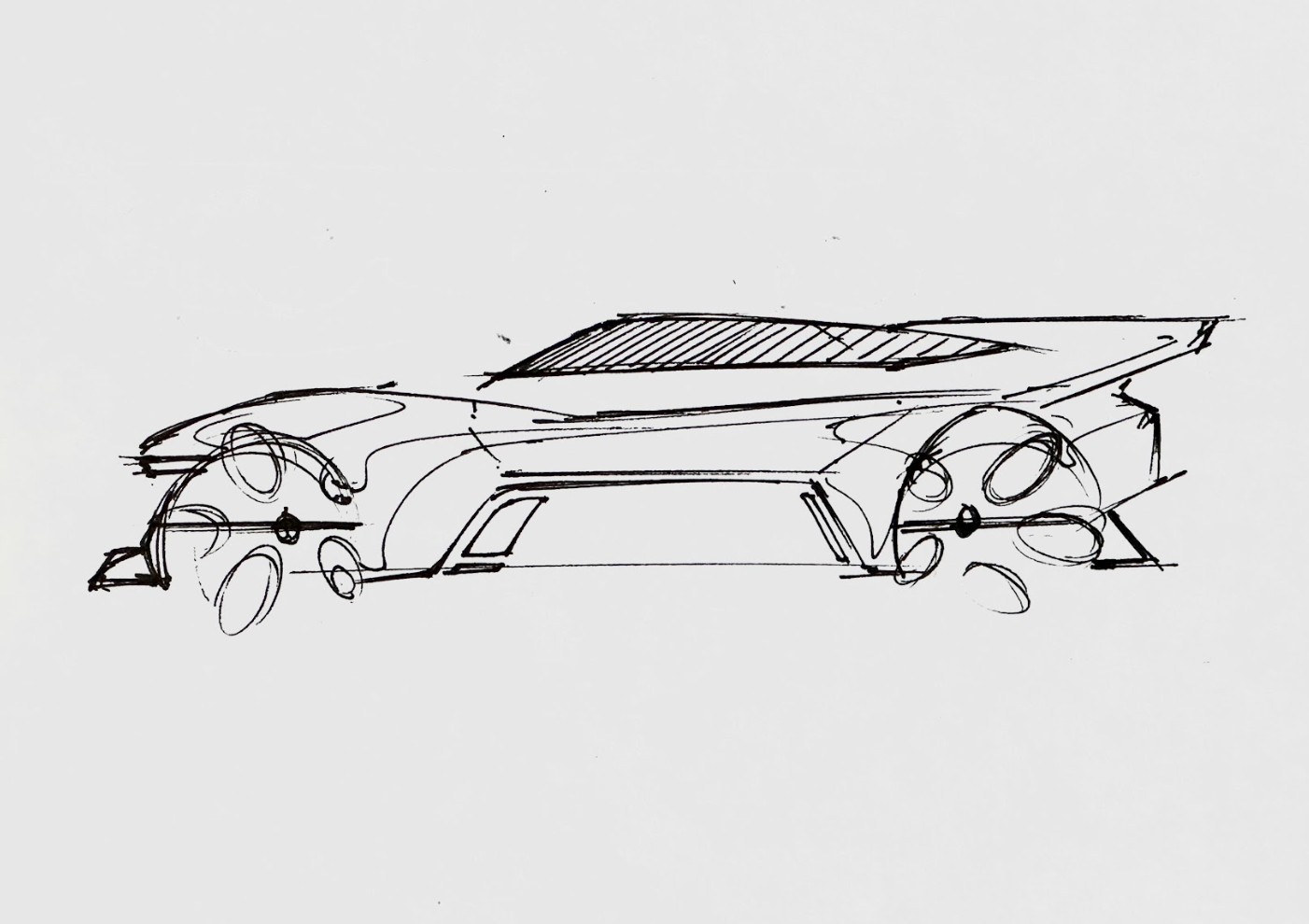
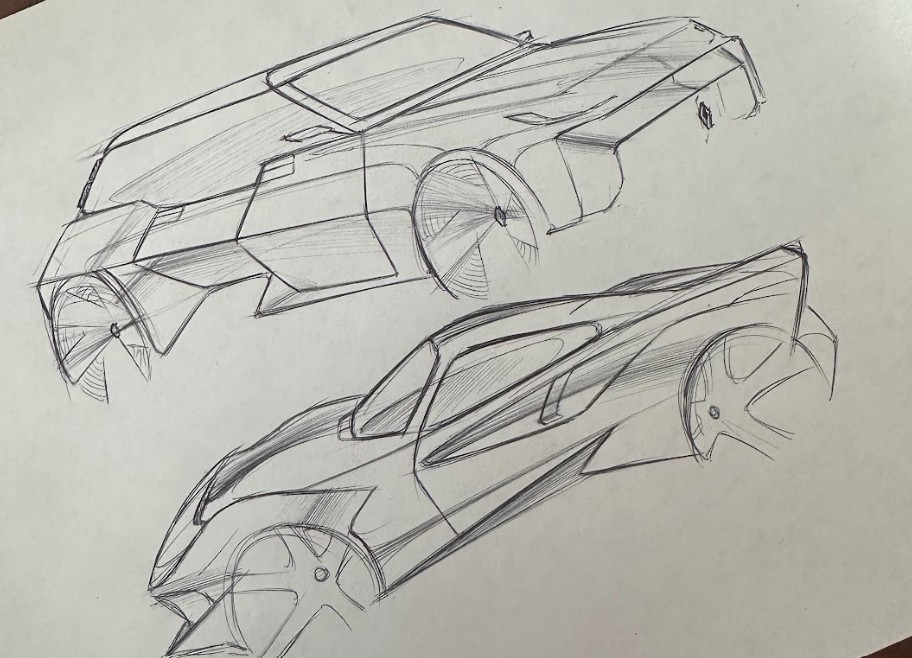
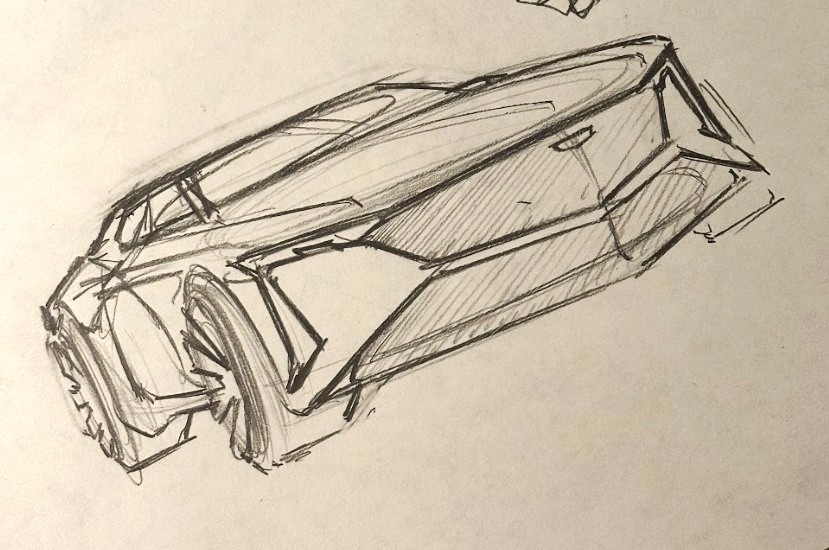
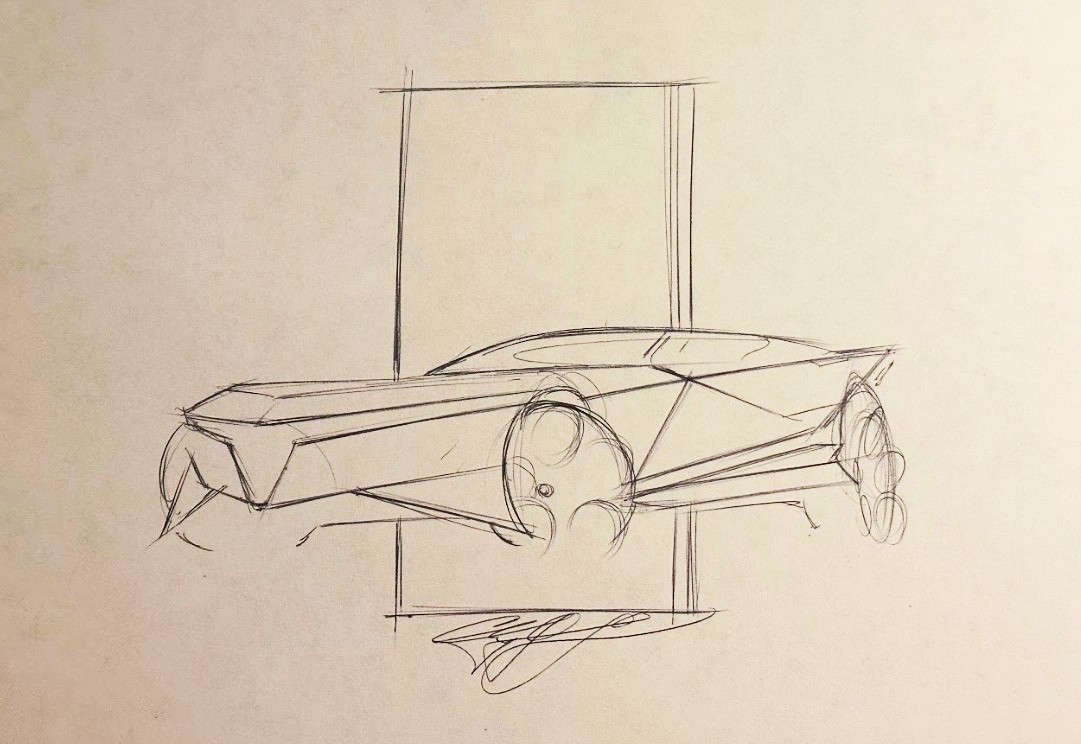
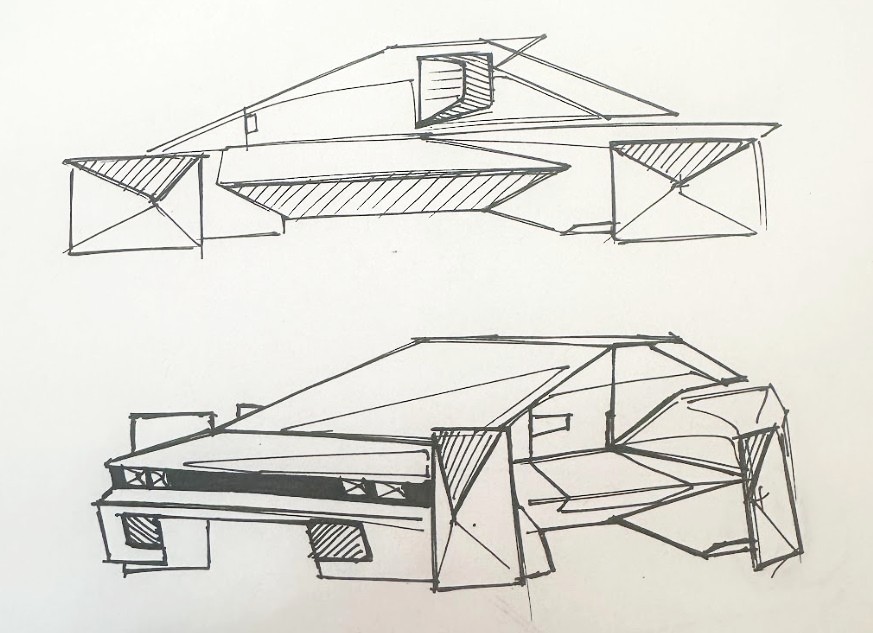
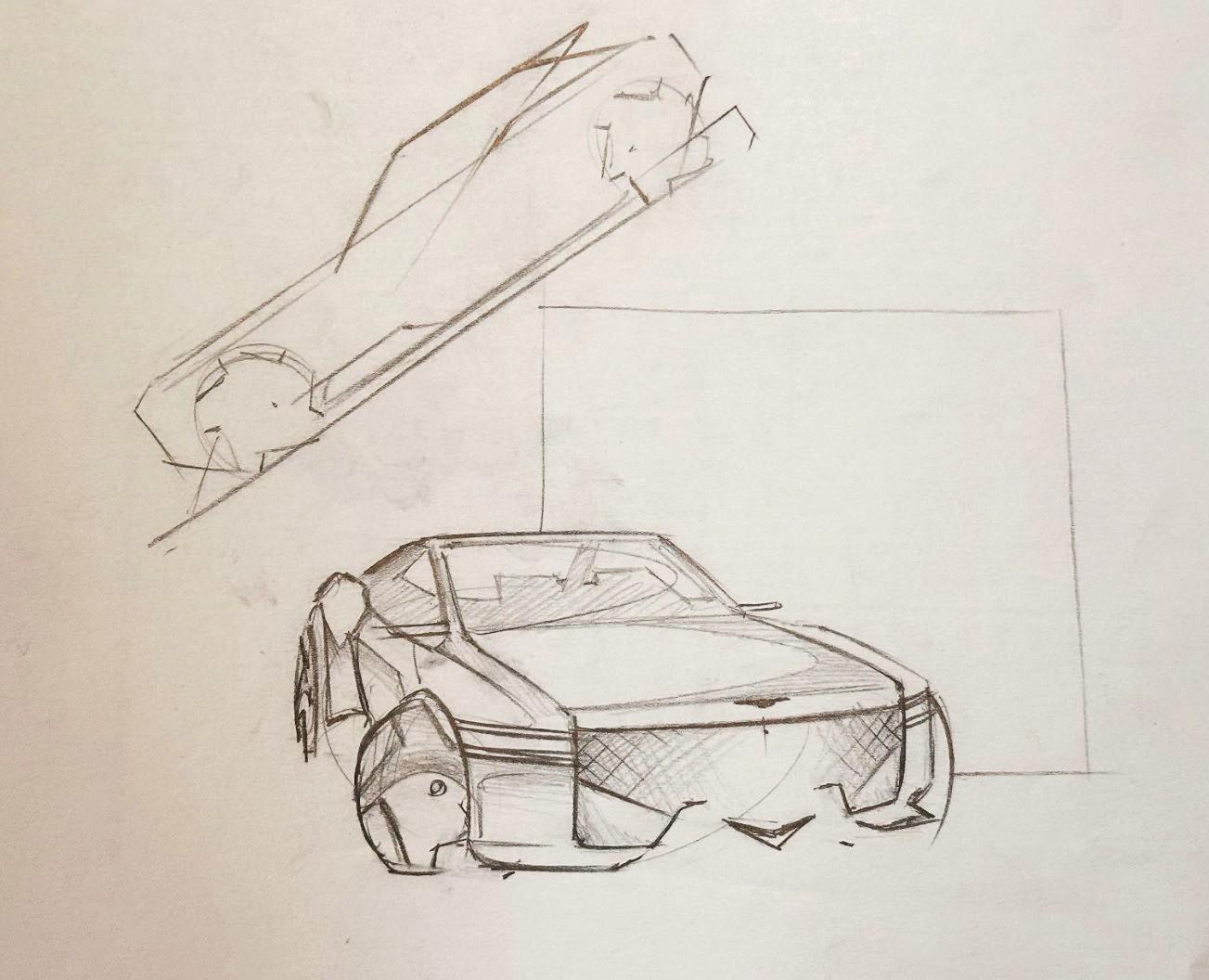
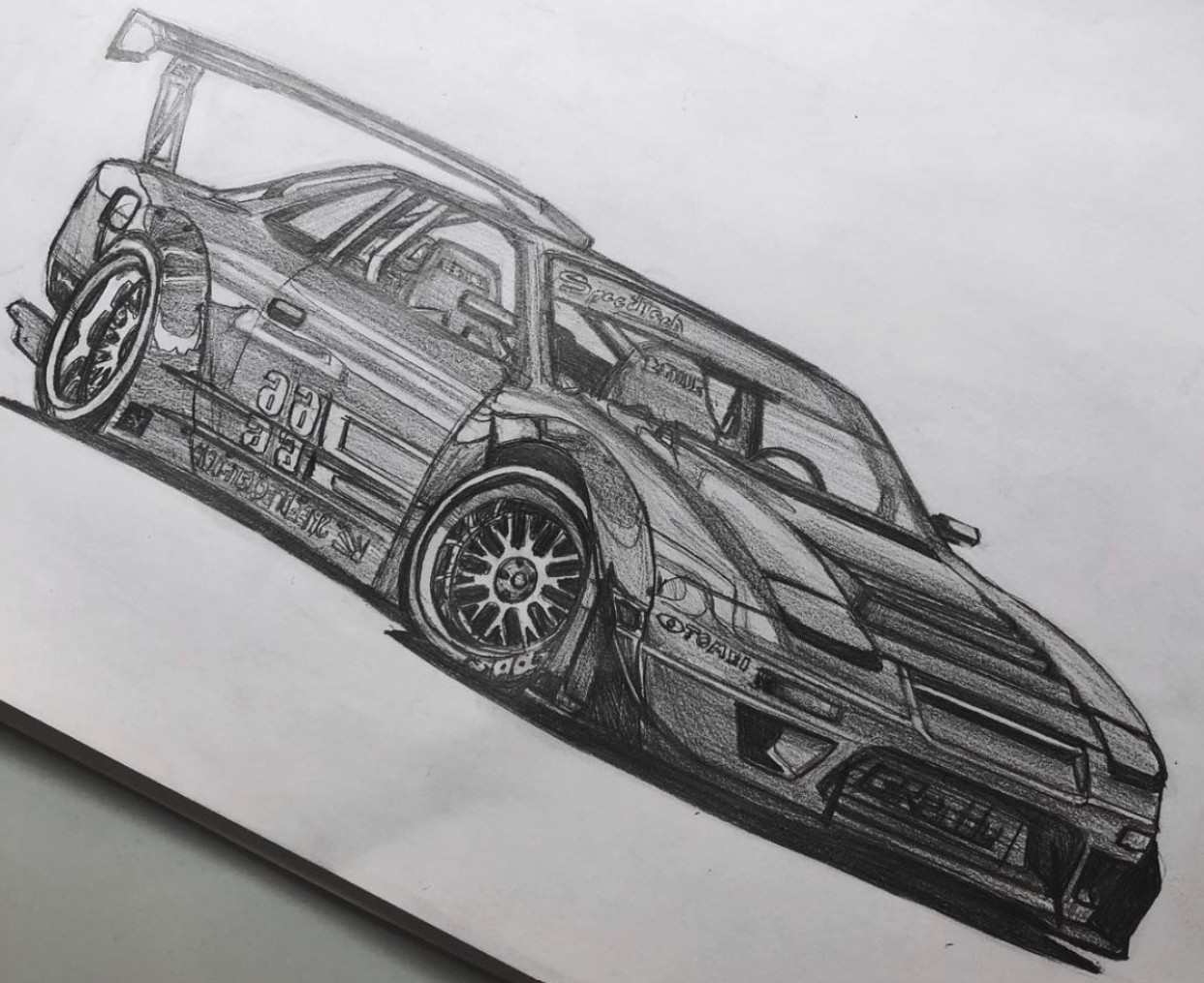
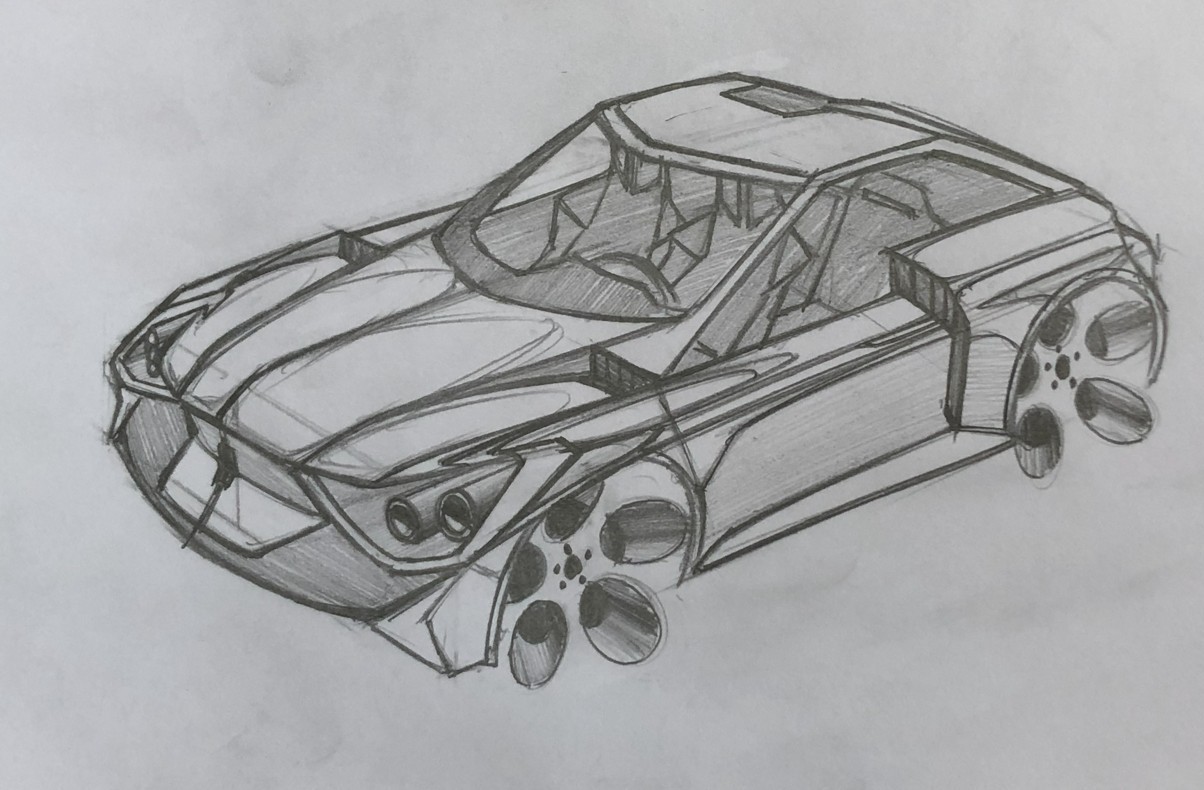
Analog/Digital Automotive Designs

Brutalist Side Table

Challenge

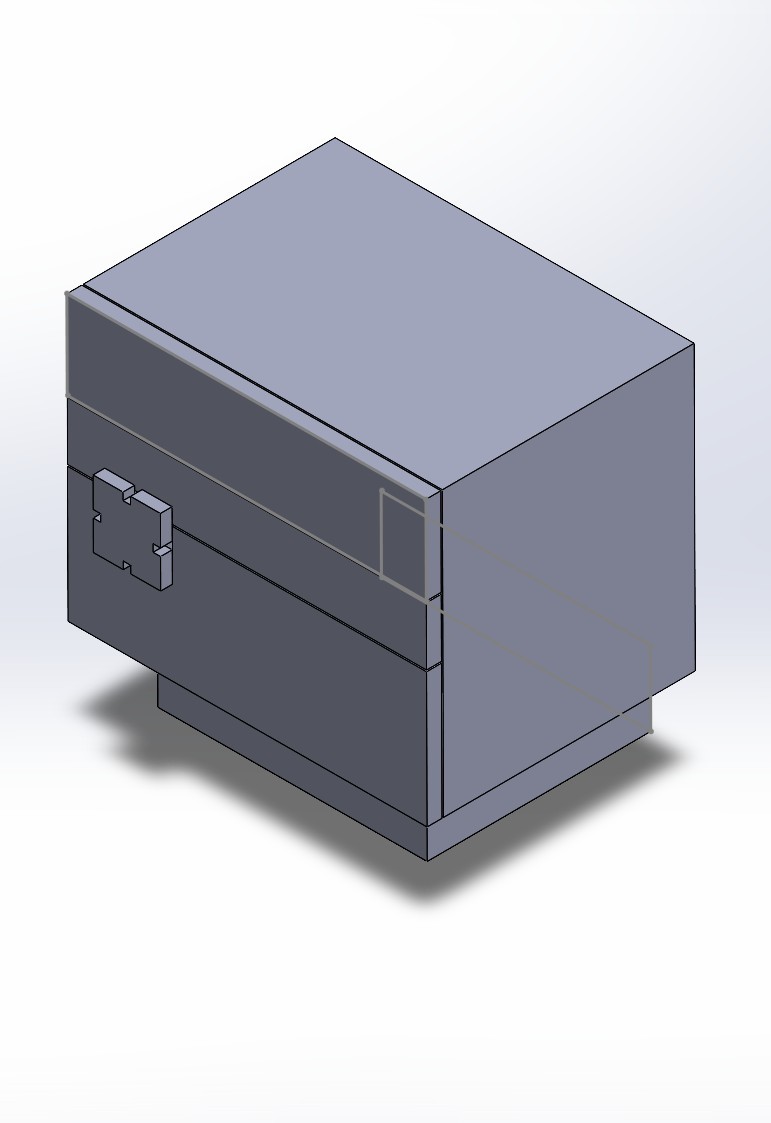
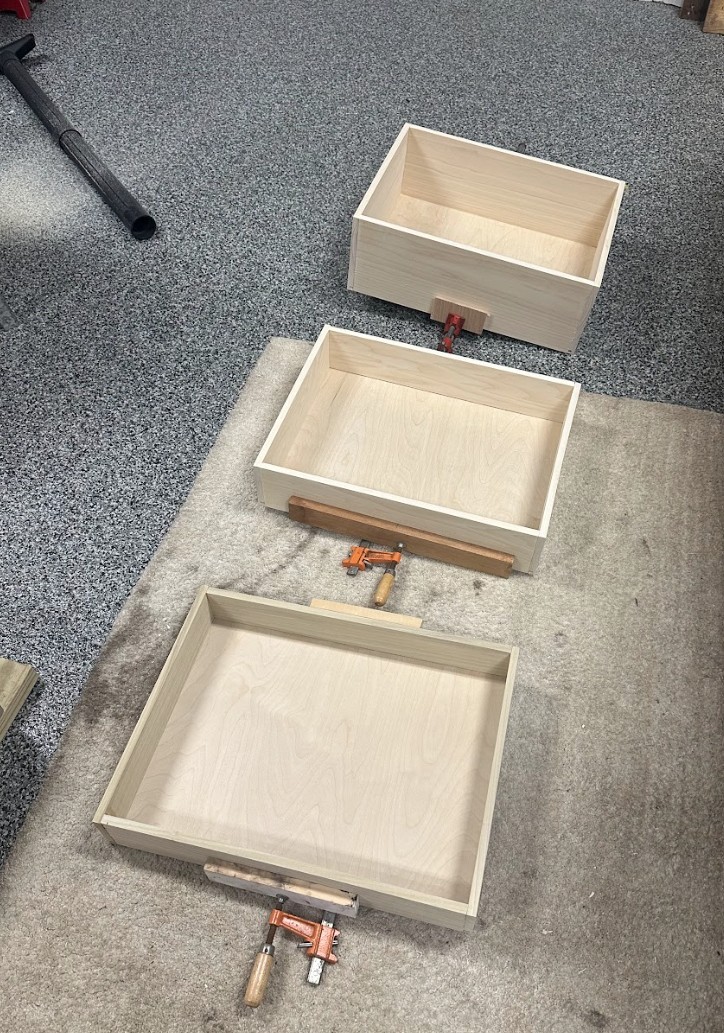
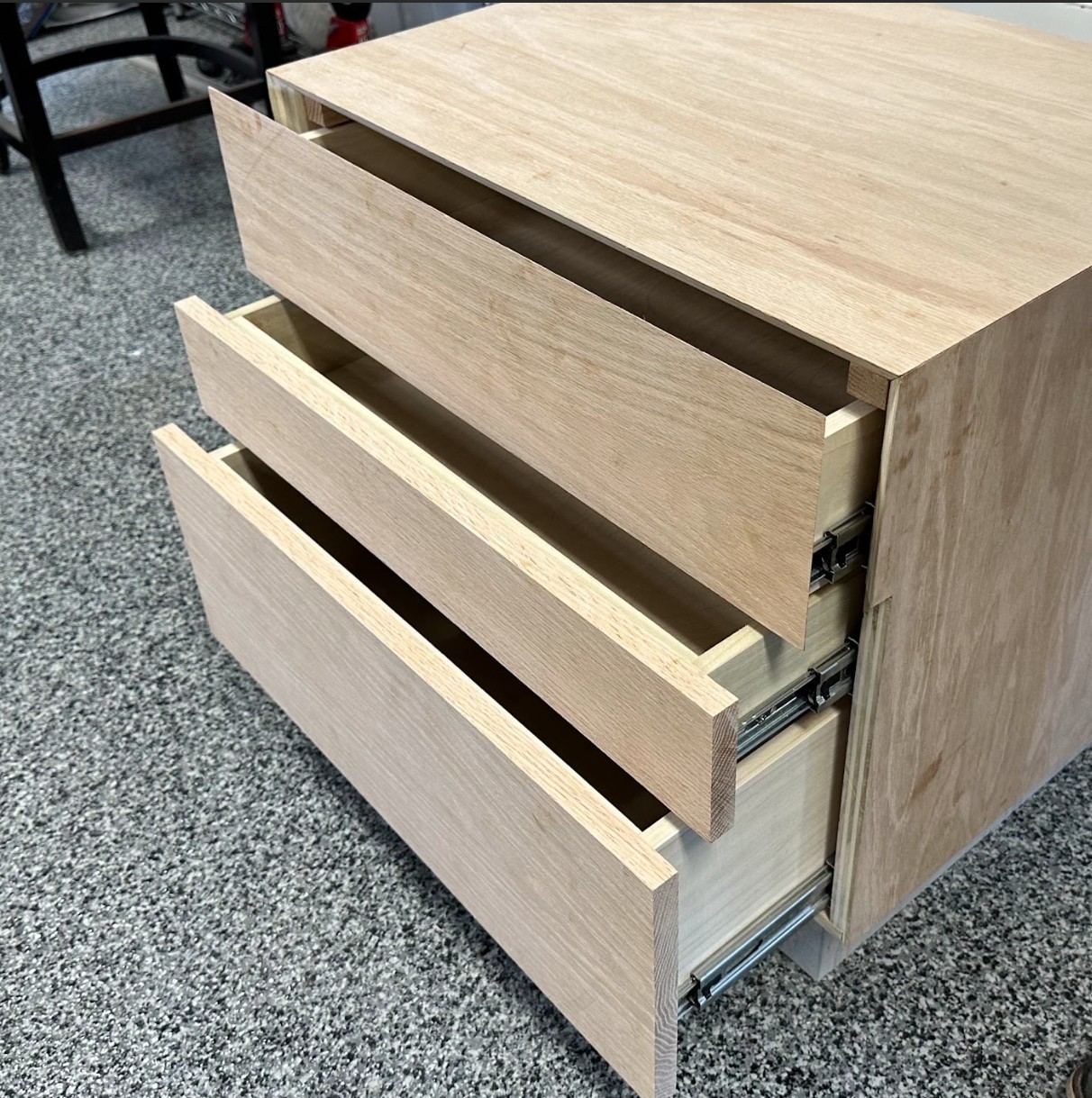
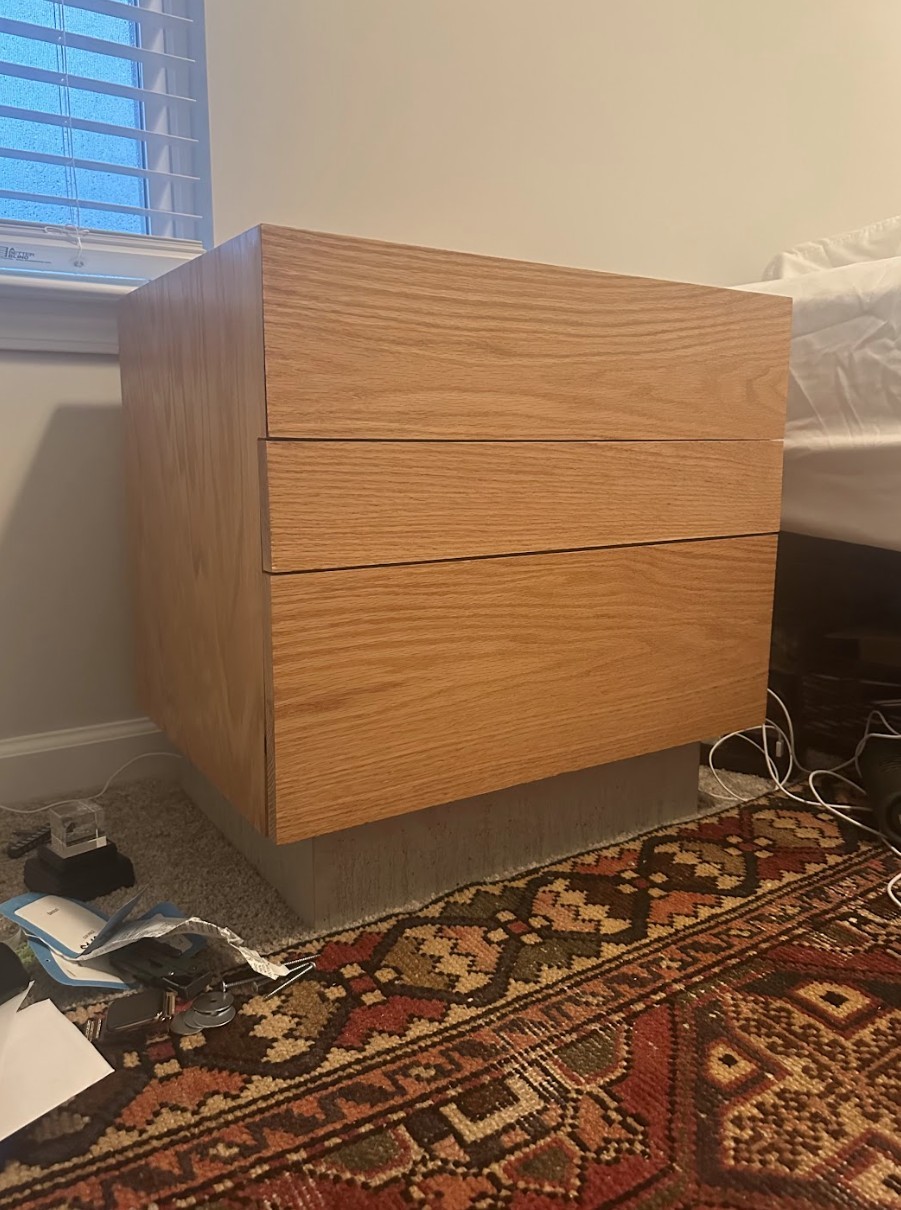
  • Create a mid-century modern/brutalist side table with solid woods and concrete
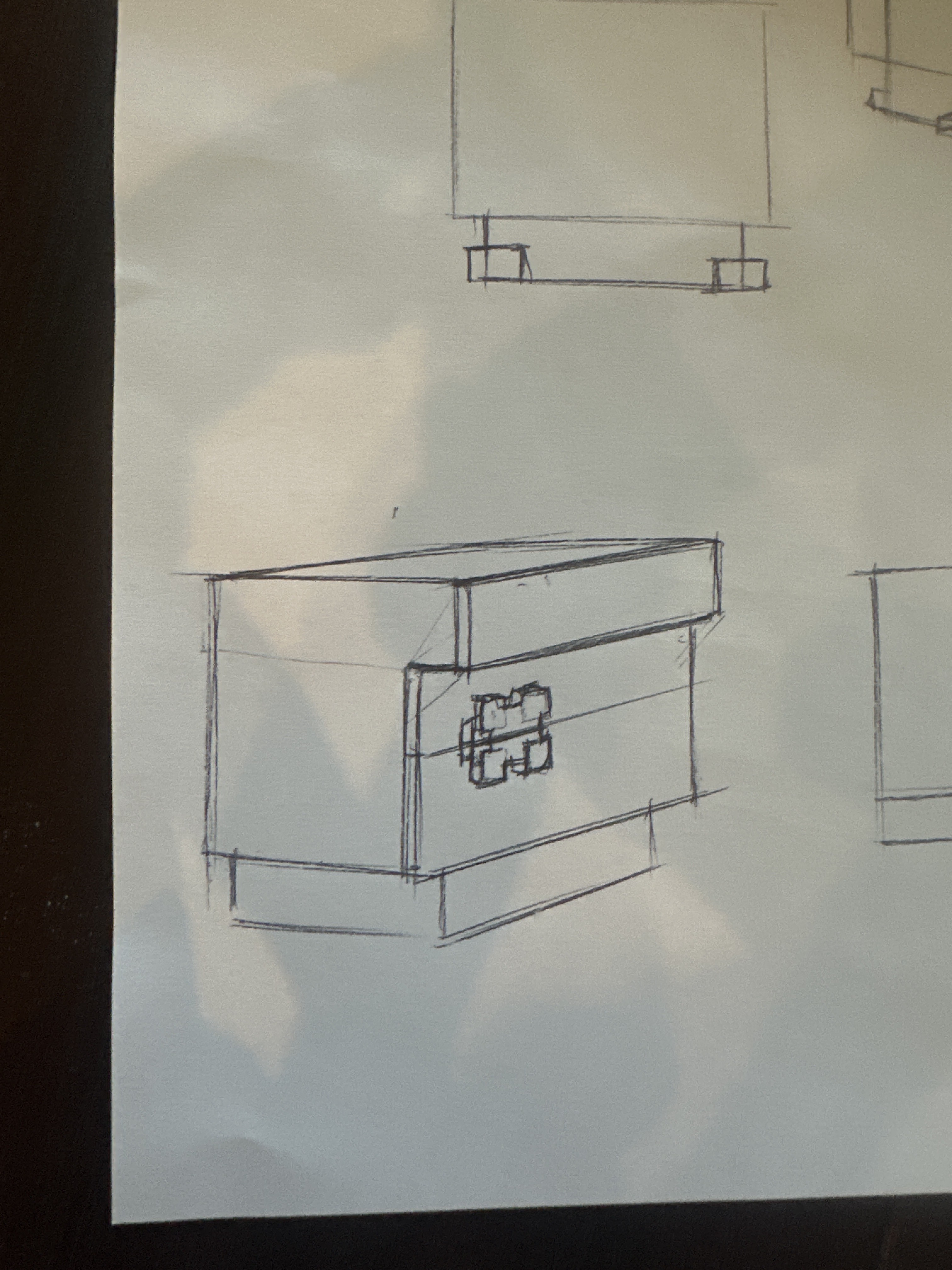
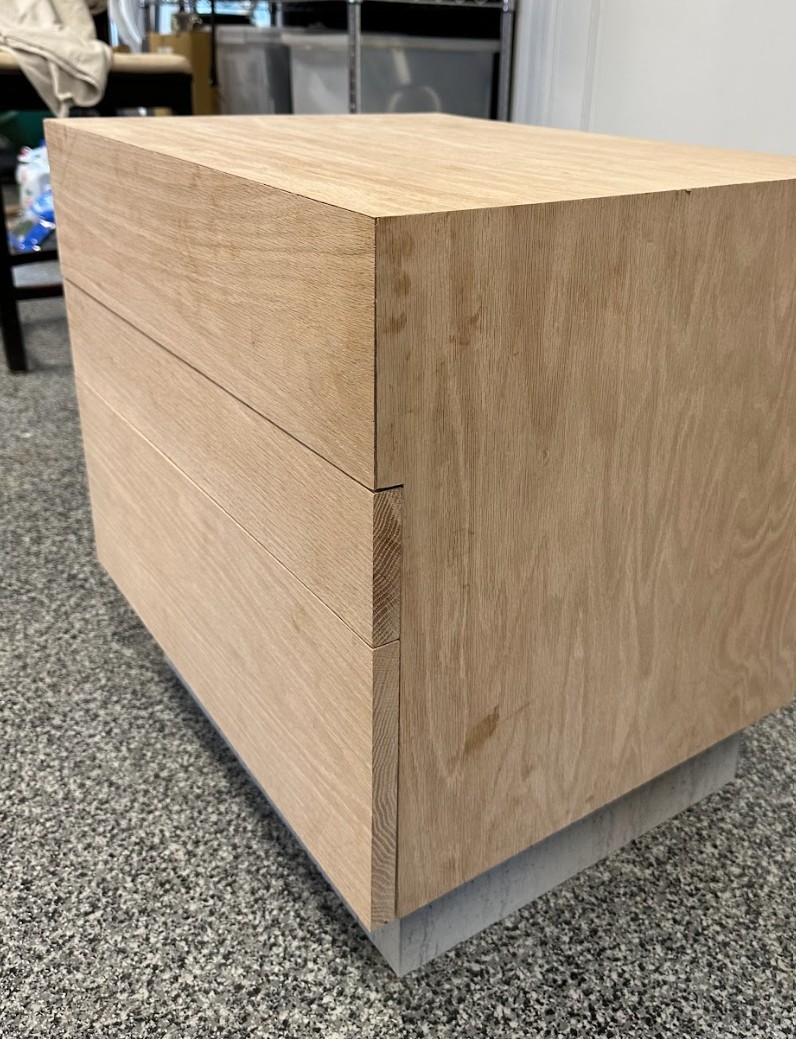
  • Must feature 3 drawers—with the top drawer concealed to preserve brutalist look
  • All edges and seams must be precise and symmetrical

Approach

  • Created a prototype in CAD to establish scaling and facade
  • Used a miter saw, table saw, circular saw, and planar to cut solid white oak and pine
  • Cut all of the top-drawer edges to 45 degrees to conceal it from all angles
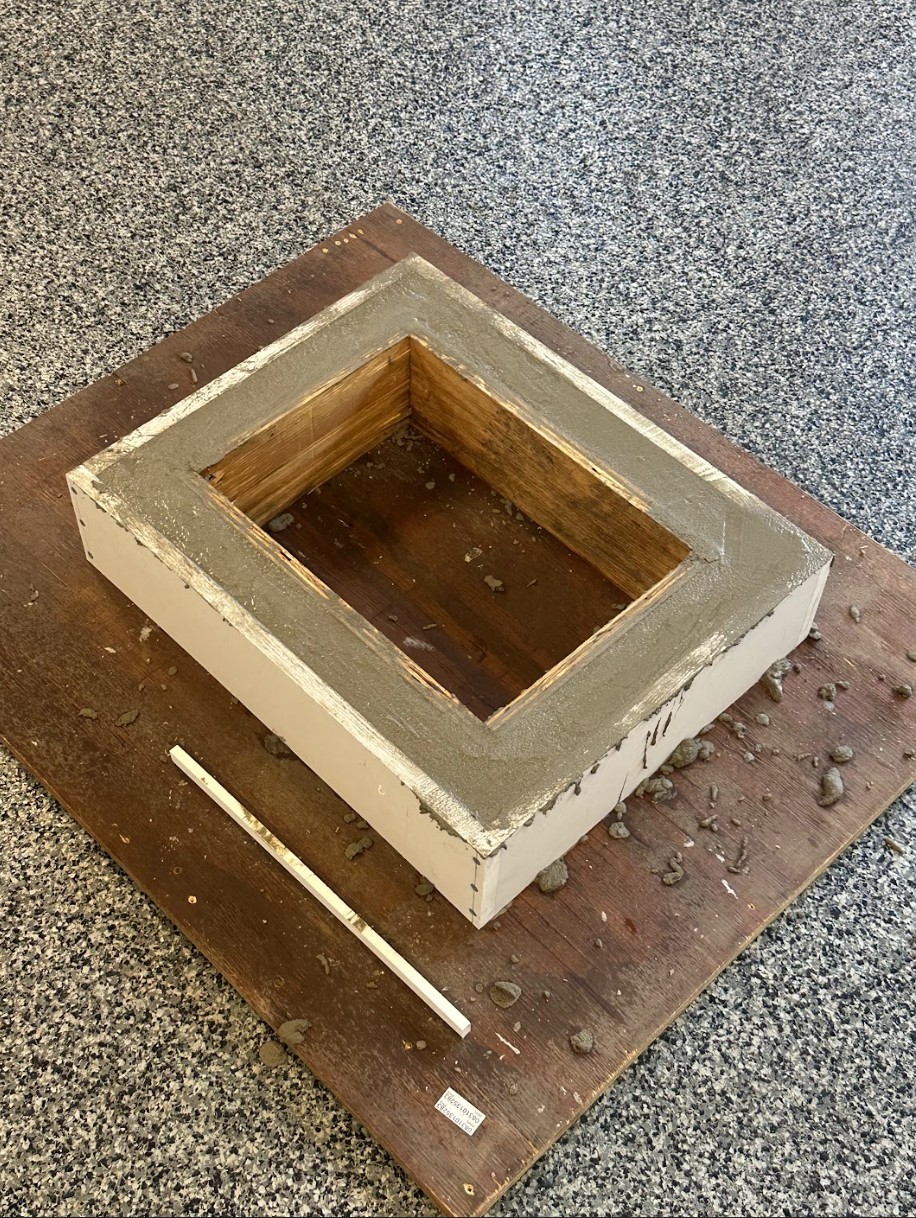
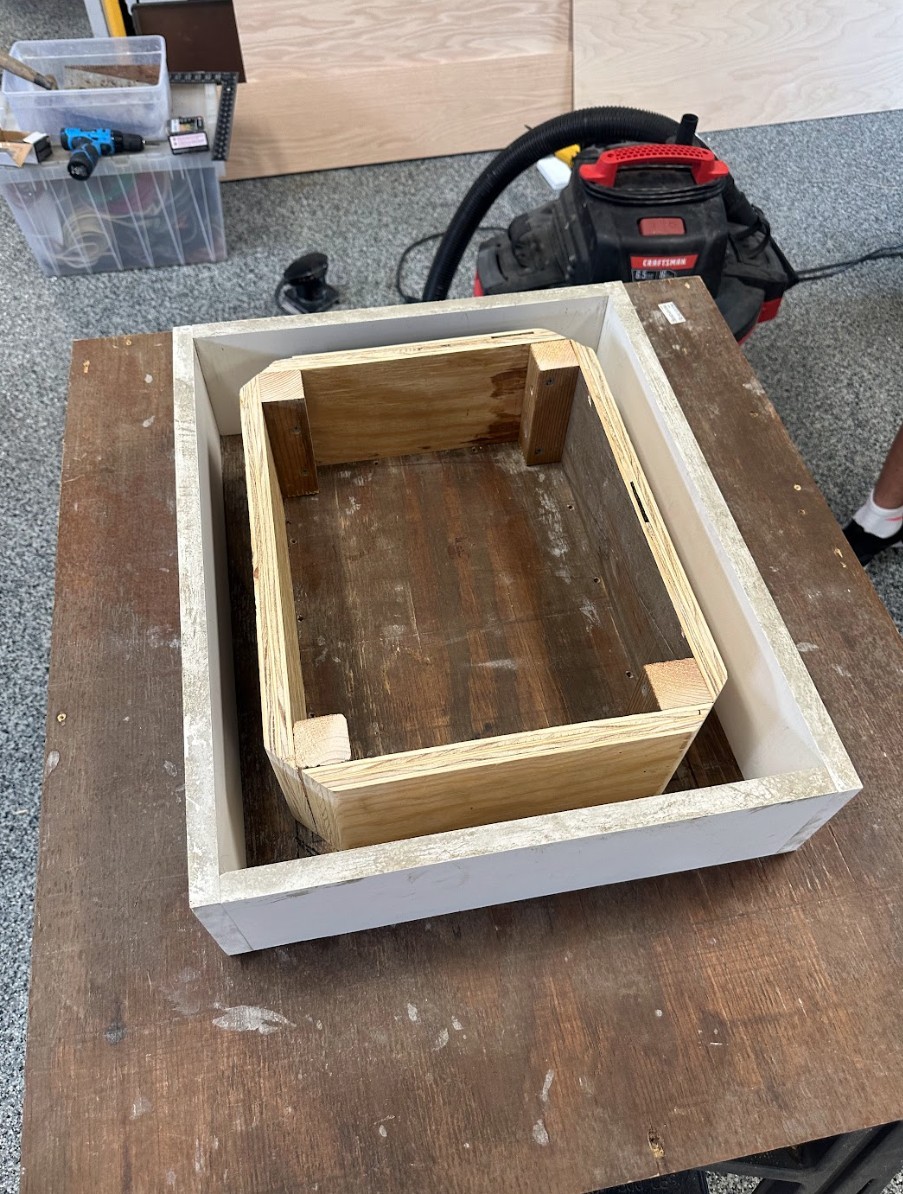
  • Created hollow concrete base molds with 90-degree and 45-degree interior corners

Solution

  • All drawers have soft close rails and line up flush between each other with minimal gap
  • The second iteration concrete mold displayed resistance to cracks
  • Implementation of veneer oak on the back face saved weight to increase mobility